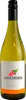
Winery Casa Santos LimaFlic Branco
 White wine
In the mouth this white wine is a .
This wine generally goes well with pork, lean fish or shellfish.
Taste structure of the Flic Branco from the Winery Casa Santos Lima
Light | Bold | |
Dry | Sweet | |
Soft | Acidic |
In the mouth the Flic Branco of Winery Casa Santos Lima in the region of Lisboa is a .
Food and wine pairings with Flic Branco
Pairings that work perfectly with Flic Branco



Original food and wine pairings with Flic Branco

The Flic Branco of Winery Casa Santos Lima matches generally quite well with dishes of pasta, pork or shellfish such as recipes of cannelloni au gratin stuffed with bolognese sauce, oven roasted rabbit that cooks itself! or scallops with saffron.
Details and technical informations about Winery Casa Santos Lima's Flic Branco.
Discover the grape variety: Camaralet de Lasseube
The camaralet of Lasseube has its origins in the Pyrenees, in Bearn. It can be called gentil aromatique, petit camarau or moustardet. Its bunches are of medium size but its berries are small. The berries turn golden yellow when they reach maturity. This grape variety has two approved clones since 1998: 1023 and 1024. It occupies a little less than one hectare in France and is often vinified with other grape varieties such as lauzet and gros manseng. Camaralet de Lasseube is matured about twenty days after Chasselas. Its more or less compact and winged bunches are not affected by grey rot until after maturity. Its female flowers often expose this grape variety to significant risks of coulure, which makes it possible to obtain an alcoholic wine that is full-bodied but fine. Depending on the type, the aromas of the camaralet de Lasseube may recall fennel, pepper or cinnamon.
Informations about the Winery Casa Santos Lima
The Winery Casa Santos Lima is one of wineries to follow in Lisboa.. It offers 104 wines for sale in the of Lisboa to come and discover on site or to buy online.

The wine region of Lisboa
Lisboa (formerly Estremadura) is a prolific wine region located at the Center of Portugal's Atlantic coast. Despite being one of the country's most productive winemaking areas, its name remains relatively obscure in wine terms, as its wines have traditionally been labeled with the names of the local sub-regions, which include Alenquer, Bucelas and Colares. The region is also home to Portugal's capital, Lisbon. The region fell under the VR (Vinho Regional) classification until 2008, when the category was renamed IGP (Indicaciones Geográficas Protegidas) to bring it into line with the rest of Europe.
The word of the wine: Dry extract
Non-liquid constituents of wine.