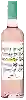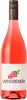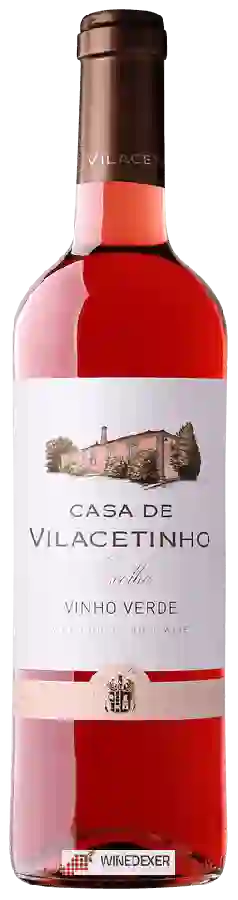
Winery Casa de VilacetinhoRosé
 Pink wine


This wine is a blend of 2 varietals which are the Tinta Barroca and the Touriga nacional.
This wine generally goes well with beef and mature and hard cheese.

Food and wine pairings with Rosé
Pairings that work perfectly with Rosé


Original food and wine pairings with Rosé
The Rosé of Winery Casa de Vilacetinho matches generally quite well with dishes of beef or mature and hard cheese such as recipes of beef with cider or franc-comtois cake.
Details and technical informations about Winery Casa de Vilacetinho's Rosé.
Discover the grape variety: Tinta Barroca
Intensely coloured, warm reds, sun-drenched with generous alcohol, with aromas of red and black candied fruits, plum, gentle spices and cocoa notes. Ripe tannins and a broad palate. Traditional partner of touriga nacional and touriga franca in the blends of great Port wines (especially Tawny and Ruby) and modern dry Douro DOC. Native Portuguese variety from the Douro and Trás-os-Montes.
Last vintages of this wine
The best vintages of Rosé from Winery Casa de Vilacetinho are 0
Informations about the Winery Casa de Vilacetinho
The Winery Casa de Vilacetinho is one of of the world's greatest estates. It offers 12 wines for sale in the of Vinho Verde to come and discover on site or to buy online.

The wine region of Vinho Verde
Portuguese star of fresh, slightly sparkling white. High-end Alvarinho in Monção and Melgaço: mineral, precise whites with signature notes of lemon, white peach, flowers and a tense saline finish. Aromatic Loureiro (orange blossom, bay leaf), round Trajadura, full Avesso, lively Arinto. Light natural effervescence, low alcohol (9-11°), sharp vivacity: ideal aperitif and seafood.
The wine region of Minho
Portugal's northernmost region, heart of Atlantic Vinho Verde. Signature lively, lightly sparkling whites with signature notes of citrus, green apple, white flowers, fresh herbs and a saline touch, thirst-quenching, low-alcohol palate — the sunshine wine par excellence. High-end star Alvarinho (peach, exotic fruits, minerality), floral Loureiro (laurel), ample Trajadura, taut Arinto, structured Avesso. Vinhão as lively red.
The word of the wine: Dry
Champagne with between 17 and 35 grams of sugar (see dosage liqueur).