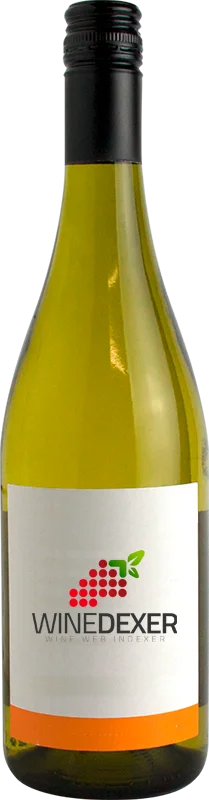
Winery Casa CrebarSauvignon
 White wine


This wine generally goes well with vegetarian, rich fish (salmon, tuna etc) or shellfish.

Food and wine pairings with Sauvignon
Pairings that work perfectly with Sauvignon



Original food and wine pairings with Sauvignon
The Sauvignon of Winery Casa Crebar matches generally quite well with dishes of rich fish (salmon, tuna etc), shellfish or vegetarian such as recipes of fish balls, jambalaya (louisiana) or nanie's diced ham quiche.
Details and technical informations about Winery Casa Crebar's Sauvignon.
Discover the grape variety: Petit Bouschet
Intensely colored and supple reds with a deep, near-opaque purple robe, light tannins and a dense palate, showing signature aromas of black fruits (blackberry, blackcurrant), plum, spices and vinous notes. Powerful dye-grape profile with red-fleshed pulp. Formerly planted en masse in the South of France to intensify the color of Mediterranean blends. French black teinturier grape obtained in 1824 by Louis Bouschet, aramon × teinturier du Cher, parent of Alicante Bouschet.
Last vintages of this wine

The best vintages of Sauvignon from Winery Casa Crebar are 2019, 2020, 2017, 0 and 2015.
Informations about the Winery Casa Crebar
The Winery Casa Crebar is one of of the world's greatest estates. It offers 17 wines for sale in the of Central Valley to come and discover on site or to buy online.

The wine region of Central Valley
Heart of modern Chilean wine: structured, sunny reds, dense, blackcurranty Cabernet Sauvignon from Maipo (Chilean cradle of the grape), signature Carménère with notes of ripe pepper, black fruit and sweet spices from Colchagua, supple Merlot and deep Syrah. Round Chardonnay whites and lively, sharp Sauvignon. Mediterranean climate, 400 km between Andes and Pacific. Star sub-regions: Maipo, Cachapoal, Colchagua, Curicó, Maule.
The word of the wine: Casting
Preparatory phase of the wine-making process consisting in bursting the grapes in order to release the juice.