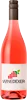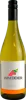
Winery Cantine LavorataAnphisya Bianco
 White wine


In the mouth this white wine is a powerful.
This wine generally goes well with vegetarian, appetizers and snacks or shellfish.
Taste structure of the Anphisya Bianco from the Winery Cantine Lavorata
Light | Bold | |
Dry | Sweet | |
Soft | Acidic |
In the mouth the Anphisya Bianco of Winery Cantine Lavorata in the region of Calabria is a powerful.
Food and wine pairings with Anphisya Bianco
Pairings that work perfectly with Anphisya Bianco



Original food and wine pairings with Anphisya Bianco
The Anphisya Bianco of Winery Cantine Lavorata matches generally quite well with dishes of shellfish, vegetarian or appetizers and snacks such as recipes of flambéed prawns, magic cake cheese quiche or lebanese hummus.
Details and technical informations about Winery Cantine Lavorata's Anphisya Bianco.
Discover the grape variety: Verdelho
The white Verdelho is a grape variety that originated in Portugal. It produces a variety of grape specially used for the elaboration of wine. It is rare to find this grape to eat on our tables. This variety of grape is characterized by small bunches, and grapes of medium size. The white Verdelho can be found cultivated in these vineyards: Languedoc & Roussillon, Rhone Valley, South West.
Last vintages of this wine
The best vintages of Anphisya Bianco from Winery Cantine Lavorata are 0, 2016
Informations about the Winery Cantine Lavorata
The Winery Cantine Lavorata is one of of the world's great estates. It offers 31 wines for sale in the of Calabria to come and discover on site or to buy online.

The wine region of Calabria
Calabria is a wine region in southern Italy, in fact a large peninsula that juts out between the Ionian Sea and the Tyrrhenian Sea. It is separated from Sicily by the narrow Strait of Messina. Its northern border with Basilicata is marked by the peaks of the southern Apennines. Calabria and its wines have undergone many influences over the centuries.
The word of the wine: Hat
Solid part (marc), composed of pips and skins (sometimes of the stalk), which forms at the top of the tank during fermentation. The pigeage consists in breaking this cap to put back in suspension these elements and to favour the exchanges between the juice and the skins.