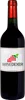
Winery Cantine BenvenutoOrange
 Sweet wine



This wine generally goes well with
Details and technical informations about Winery Cantine Benvenuto's Orange.
Discover the grape variety: Gamay de Chaudenay
Unlike its dyer congeners, Gamay de Chaudenay is said to have "white juice". It is a cross between white gouais and pinot noir that gave birth to this grape variety from the north of Lyon, and its alternative names are Olivette Beaujolaise, Gamay de Caudoz and Gamay d'Arcenant. It is a variety that buds early in the year and is susceptible to wood diseases and excoriosis. Its three-lobed, finely serrated leaves are almost round and hairless. The youngest leaves are slightly shiny and yellowish-green in color. The plant matures in the first late season and bears small clusters, winged or not, of cylindrical shape. These clusters contain medium-sized, ovoid, grayish-black berries. The skin provides a dark coloured pulp when ripe. When vinified, the Gamay de Chaudenay gives a wine that is low in tannin but rather colourful. Notes of spice and fruit characterize the warm but short-lived wines that emerge.
Last vintages of this wine
The best vintages of Orange from Winery Cantine Benvenuto are 2018, 2019, 0
Informations about the Winery Cantine Benvenuto
The Winery Cantine Benvenuto is one of of the world's greatest estates. It offers 11 wines for sale in the of Calabria to come and discover on site or to buy online.

The wine region of Calabria
Calabria is a wine region in southern Italy, in fact a large peninsula that juts out between the Ionian Sea and the Tyrrhenian Sea. It is separated from Sicily by the narrow Strait of Messina. Its northern border with Basilicata is marked by the peaks of the southern Apennines. Calabria and its wines have undergone many influences over the centuries.
The word of the wine: Maturing (champagne)
After riddling, the bottles are stored on "point", upside down, with the neck of one bottle in the bottom of the other. The duration of this maturation is very important: in contact with the dead yeasts, the wine takes on subtle aromas and gains in roundness and fatness. A brut without year must remain at least 15 months in the cellar after bottling, a vintage 36 months.