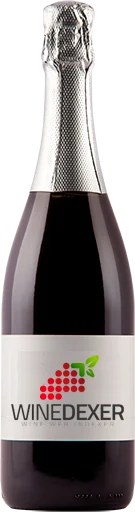
Winery Cantina di SorbaraNotte Bianca Emilia Brut
 Sparkling wine



This wine generally goes well with
Wine flavors and olphactive analysis

On the nose the Notte Bianca Emilia Brut of Winery Cantina di Sorbara in the region of Emilia-Romagna often reveals types of flavors of tree fruit, citrus fruit.
Details and technical informations about Winery Cantina di Sorbara's Notte Bianca Emilia Brut.
Discover the grape variety: Monbadon
Originally from the Charentes region, it is now endangered. It is still found in isolated stocks, most often in old ugni blanc plantations. This variety is said to be the result of a natural cross between folle blanche and ugni blanc. It is registered in the Official Catalogue of Vine Varieties, list A1. - Synonyms: frontignan des Charentes, aramon blanc by mistake in the Var, gros montils on the island of Oléron, ugni de Montpellier, burger (not to be confused with elbling and gouais blanc which have the same synonym), auba, meslier d'Orléans (not to be confused with meslier saint François) (for all the synonyms of the grape varieties, click here!)
Last vintages of this wine
The best vintages of Notte Bianca Emilia Brut from Winery Cantina di Sorbara are 0
Informations about the Winery Cantina di Sorbara
The Winery Cantina di Sorbara is one of of the world's great estates. It offers 61 wines for sale in the of Emilia to come and discover on site or to buy online.

The wine region of Emilia
The wine region of Emilia is located in the region of Émilie-Romagne of Italy. We currently count 397 estates and châteaux in the of Emilia, producing 1004 different wines in conventional, organic and biodynamic agriculture. The wines of Emilia go well with generally quite well with dishes .
The wine region of Emilia-Romagna
Romagna/emilia">Emilia-Romagna is a Rich and fertile region in Northern Italy, and one of the country's most prolific wine-producing regions, with over 58,000 hectares (143,320 acres) of vines in 2010. It is 240 kilometers (150 miles) wide and stretches across almost the entire northern Italian peninsula, sandwiched between Tuscany to the South, Lombardy and Veneto to the north and the Adriatic Sea to the east. Nine miles of Liguria is all that separates Emilia-Romagna from the Ligurian Sea, and its uniqueness as the only Italian region with both an east and west coast. Emilia-Romagna's wine-growing heritage dates back to the seventh century BC, making it one of the oldest wine-growing regions in Italy.
The word of the wine: Rimage
"Vintage", in Catalan. A natural sweet wine that is bottled early to preserve its fruitiness, as opposed to those aged in an oxidizing environment (see this word). Syn.: vintage (for maury, port).