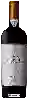
Winery CantanhedeVilla Rosa Tinto
 Red wine



In the mouth this red wine is a powerful with a nice balance between acidity and tannins.
This wine generally goes well with poultry, beef or game (deer, venison).

Taste structure of the Villa Rosa Tinto from the Winery Cantanhede
Light | Bold | |
Smooth | Tannic | |
Dry | Sweet | |
Soft | Acidic |
In the mouth the Villa Rosa Tinto of Winery Cantanhede in the region of Beiras is a powerful with a nice balance between acidity and tannins.
Wine flavors and olphactive analysis




On the nose the Villa Rosa Tinto of Winery Cantanhede in the region of Beiras often reveals types of flavors of non oak, earth or oak and sometimes also flavors of spices, red fruit or black fruit.
Food and wine pairings with Villa Rosa Tinto
Pairings that work perfectly with Villa Rosa Tinto



Original food and wine pairings with Villa Rosa Tinto

The Villa Rosa Tinto of Winery Cantanhede matches generally quite well with dishes of beef, lamb or game (deer, venison) such as recipes of meat and goat pie, slippers with lamb or rabbit with mustard, thyme and cream.
Details and technical informations about Winery Cantanhede's Villa Rosa Tinto.
Discover the grape variety: Panse muscade
Table grape with long clusters and aromatic golden berries with thin skin, sweet and typically musky in flavour. Mediterranean aromatic profile. Now almost extinct, historically grown for fresh consumption, preserved in varietal collections for its heritage value. A rare French white variety, a musky mutation of the Panse grape with characteristic muscat fragrance.
Last vintages of this wine
The best vintages of Villa Rosa Tinto from Winery Cantanhede are 2018, 2017, 2014, 2019 and 0.
Informations about the Winery Cantanhede
The Winery Cantanhede is one of of the world's great estates. It offers 92 wines for sale in the of Beiras to come and discover on site or to buy online.

The wine region of Beiras
Vast region of north-central Portugal, a fragmented mosaic of distinct sub-regions. In the west, Bairrada makes dense Baga reds with notes of black cherry, blackberry and leather, firm tannins — the base of the great Portuguese sparkling wines. In the centre, Dao produces fine Touriga Nacional reds (violet, raspberry, spice) and elegant Encruzado whites (flowers, citrus, butter). To the continental east, fleshy Touriga of Beira Interior and aromatic Fernao Pires.
The word of the wine: Malolactic fermentation
Called second fermentation or malo for short. It is the degradation (under the effect of bacteria) of the malic acid naturally present in the wine into milder, less aggressive lactic acid. Some producers or wineries refuse this operation by "blocking the malo" (by cold and adding SO2) to keep a maximum of acidity which carries the aromas and accentuates the sensation of freshness.