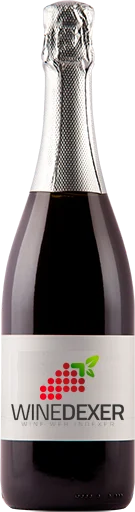
Winery CantanhedeVilla de Corgos Blanc de Blancs
 Sparkling wine



This wine generally goes well with appetizers and snacks, lean fish or shellfish.

Food and wine pairings with Villa de Corgos Blanc de Blancs
Pairings that work perfectly with Villa de Corgos Blanc de Blancs



Original food and wine pairings with Villa de Corgos Blanc de Blancs

The Villa de Corgos Blanc de Blancs of Winery Cantanhede matches generally quite well with dishes of shellfish, appetizers and snacks or lean fish such as recipes of spanish paella, samossa (india) or monkfish with curry.
Details and technical informations about Winery Cantanhede's Villa de Corgos Blanc de Blancs.
Discover the grape variety: Muska noir
Light, fruity reds with a pale ruby robe, soft tannins, and an airy palate with moderate acidity, offering understated red-fruit aromas. A discreet, rustic Provençal profile. Nearly extinct, preserved in INRAE varietal collections for its heritage value, it bears witness to the pre-phylloxera ampelographic diversity of southern France.
Last vintages of this wine
The best vintages of Villa de Corgos Blanc de Blancs from Winery Cantanhede are 0
Informations about the Winery Cantanhede
The Winery Cantanhede is one of of the world's great estates. It offers 92 wines for sale in the of Beiras to come and discover on site or to buy online.

The wine region of Beiras
Vast region of north-central Portugal, a fragmented mosaic of distinct sub-regions. In the west, Bairrada makes dense Baga reds with notes of black cherry, blackberry and leather, firm tannins — the base of the great Portuguese sparkling wines. In the centre, Dao produces fine Touriga Nacional reds (violet, raspberry, spice) and elegant Encruzado whites (flowers, citrus, butter). To the continental east, fleshy Touriga of Beira Interior and aromatic Fernao Pires.
The word of the wine: Disgorging (champagne)
This is the evacuation of the deposit formed by the yeasts during the second fermentation in the bottle, by opening the bottle. The missing volume is completed with the liqueur de dosage - a mixture of wine and cane sugar - before the final cork is placed. For some years now, some producers have been replacing this sugar with rectified concentrated musts (concentrated grape juice) which give excellent results. A too recent dosage (less than three months) harms the gustatory harmony of the champagne.