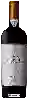
Winery CantanhedeSeleção Tinto
 Red wine
This wine is a blend of 2 varietals which are the Baga and the Touriga nacional.
In the mouth this red wine is a powerful with a lot of tannins present in the mouth.
This wine generally goes well with poultry, beef or game (deer, venison).

Taste structure of the Seleção Tinto from the Winery Cantanhede
Light | Bold | |
Smooth | Tannic | |
Dry | Sweet | |
Soft | Acidic |
In the mouth the Seleção Tinto of Winery Cantanhede in the region of Beiras is a powerful with a lot of tannins present in the mouth.
Food and wine pairings with Seleção Tinto
Pairings that work perfectly with Seleção Tinto



Original food and wine pairings with Seleção Tinto

The Seleção Tinto of Winery Cantanhede matches generally quite well with dishes of beef, lamb or game (deer, venison) such as recipes of greek moussaka, shoulder of lamb boulangère or magret stuffed with foie gras.
Details and technical informations about Winery Cantanhede's Seleção Tinto.
Discover the grape variety: Baga
Structured and tannic reds with a deep colour and high acidity, on aromas of black cherry, blackberry, plum, spices, leather, tobacco and mineral notes. Tannic and late-ripening, it requires long ageing to round out, then offers fine keeping potential. The absolute star of Bairrada DOC in central Portugal (clay-limestone baga soils), also made as traditional method sparkling wines and taut rosés. Native Portuguese variety, long underrated and now rehabilitated.
Informations about the Winery Cantanhede
The Winery Cantanhede is one of of the world's great estates. It offers 92 wines for sale in the of Beiras to come and discover on site or to buy online.

The wine region of Beiras
Vast region of north-central Portugal, a fragmented mosaic of distinct sub-regions. In the west, Bairrada makes dense Baga reds with notes of black cherry, blackberry and leather, firm tannins — the base of the great Portuguese sparkling wines. In the centre, Dao produces fine Touriga Nacional reds (violet, raspberry, spice) and elegant Encruzado whites (flowers, citrus, butter). To the continental east, fleshy Touriga of Beira Interior and aromatic Fernao Pires.
The word of the wine: Ban des vendanges
Date of the beginning of the grape harvest, fixed by the lord in the tradition of the Middle Ages and, today, by the prefect.