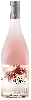
Winery Campo ViejoTempranillo Rosé
 Pink wine



This wine generally goes well with beef and mature and hard cheese.

Wine flavors and olphactive analysis




On the nose the Tempranillo Rosé of Winery Campo Viejo in the region of Rioja often reveals types of flavors of non oak, earth or microbio and sometimes also flavors of oak, tree fruit or spices.
Food and wine pairings with Tempranillo Rosé
Pairings that work perfectly with Tempranillo Rosé


Original food and wine pairings with Tempranillo Rosé
The Tempranillo Rosé of Winery Campo Viejo matches generally quite well with dishes of beef or mature and hard cheese such as recipes of tournedos rossini with port sauce or parmesan cream brûlée.
Details and technical informations about Winery Campo Viejo's Tempranillo Rosé.
Discover the grape variety: Madeleine royale
Table grape with medium bunches and thin-skinned golden berries with juicy flesh and a pleasant sweet taste. Very early-ripening. Rarely vinified. Grown in France, Germany and England, prized for its early maturity and attractive appearance on the table in amateur gardens and fresh consumption at the start of the season. French white table grape variety obtained in the 19th century, an early cross.
Last vintages of this wine
The best vintages of Tempranillo Rosé from Winery Campo Viejo are 2010, 2007, 2019, 2018 and 2016.
Informations about the Winery Campo Viejo
The Winery Campo Viejo is one of of the world's great estates. It offers 51 wines for sale in the of Rioja to come and discover on site or to buy online.

The wine region of Rioja
Star of great Spanish reds: signature Tempranillo, elegant and complex, with notes of ripe cherry, plum, leather, vanilla and tobacco from American oak ageing. Classification by age: fruity Joven, balanced Crianza, ample Reserva, deep, silky Gran Reserva (5 years, 2 in barrel). Some fresh Viura whites and generous rosés. Spain's first DOCa (1991), 3 sub-zones (Alta, Alavesa, Oriental), 93.
The word of the wine: Wooded
A set of aromas brought about by ageing in barrels (usually oak). This can be pleasant when, in small doses, it brings a touch of spice, roast or vanilla to an already constructed ensemble. When the violent woodiness dominates the wine, it is quickly tiring. Easily identifiable aromatically, it is sought after (to the point of abuse) by the makers of coarse wines. New World manufacturers and, alas, some French winemakers use oak chips to impart the woody taste, which is tantamount to artificial flavoring.