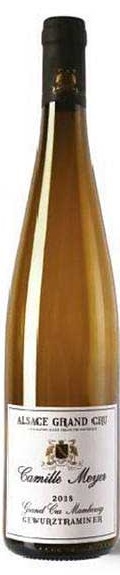
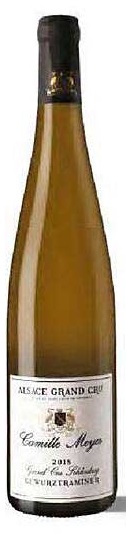
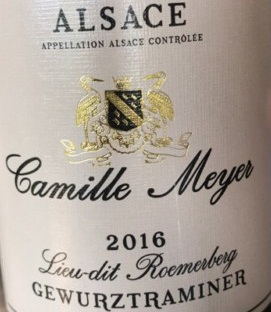
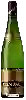
Winery Camille MeyerVieilles Vignes Sylvaner
 White wine


This wine generally goes well with lean fish and mild and soft cheese.

Food and wine pairings with Vieilles Vignes Sylvaner
Pairings that work perfectly with Vieilles Vignes Sylvaner


Original food and wine pairings with Vieilles Vignes Sylvaner
The Vieilles Vignes Sylvaner of Winery Camille Meyer matches generally quite well with dishes such as recipes .
Details and technical informations about Winery Camille Meyer's Vieilles Vignes Sylvaner.
Discover the grape variety: Sylvaner
Lively, understated whites with a tender palate and fresh acidity, with delicate aromas of citrus, white flowers, green apple, hay and typical mineral notes. Light and refreshing finish. Made as easy dry whites and more structured lees-aged cuvées. Star of Alsace AOC (one of the historic varieties), absolute signature of German Franconia (Silvaner on shell-limestone soils) and present in Austria and Switzerland. Central European variety of Austrian origin.
Last vintages of this wine
The best vintages of Vieilles Vignes Sylvaner from Winery Camille Meyer are 2019, 0
Informations about the Winery Camille Meyer
The Winery Camille Meyer is one of of the world's greatest estates. It offers 17 wines for sale in the of Alsace to come and discover on site or to buy online.

The wine region of Alsace
Capital of great French aromatic whites, most often dry and single-varietal. Straight, mineral Riesling (lemon, gunflint), opulent, exuberant Gewurztraminer (lychee, rose, spices), round, smoky Pinot Gris, floral, crisp Muscat, supple Pinot Blanc. Fine, fruity Crémants d'Alsace, exceptional sweet Vendanges Tardives and Sélection de Grains Nobles. 15,500 ha at the foot of the Vosges on varied soils, 51 Grands Crus since 1975.
The word of the wine: Malolactic fermentation
Called second fermentation or malo for short. It is the degradation (under the effect of bacteria) of the malic acid naturally present in the wine into milder, less aggressive lactic acid. Some producers or wineries refuse this operation by "blocking the malo" (by cold and adding SO2) to keep a maximum of acidity which carries the aromas and accentuates the sensation of freshness.