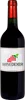
Winery Cameron HughesLot 370 Coteaux du Languedoc
 Red wine
This wine generally goes well with beef, veal or pasta.
Food and wine pairings with Lot 370 Coteaux du Languedoc
Pairings that work perfectly with Lot 370 Coteaux du Languedoc



Original food and wine pairings with Lot 370 Coteaux du Languedoc
The Lot 370 Coteaux du Languedoc of Winery Cameron Hughes matches generally quite well with dishes of beef, pasta or veal such as recipes of roast pork with pineapple, pasta with pistou or veal chop with mushrooms.
Details and technical informations about Winery Cameron Hughes's Lot 370 Coteaux du Languedoc.
Discover the grape variety: Cabernet-Cortis
Interspecific cross between Cabernet Sauvignon and Solaris (Merzling x Geisenheim 6493 (Zarya Severa x Muscat Ottonel)) made in 1982 by Norbert Becker of the Freiburg Research Institute in Germany. It has the particularity of having only one gene for resistance to mildew and powdery mildew. It can be found in the Netherlands, Denmark, Belgium, Switzerland, etc., but is still little known in France. Note that Cabernet-Carol has the same parents.
Informations about the Winery Cameron Hughes
The Winery Cameron Hughes is one of wineries to follow in Languedoc.. It offers 699 wines for sale in the of Languedoc to come and discover on site or to buy online.

The wine region of Languedoc
Languedoc (formerly Coteaux du Languedoc) is a key appellation used in the Languedoc-Roussillon wine region of southern France. It covers Dry table wines of all three colors (red, white and rosé) from the entire region, but leaves Sweet and Sparkling wines to other more specialized appellations. About 75% of all Languedoc wines are red, with the remaining 25% split roughly down the middle between whites and rosés. The appellation covers most of the Languedoc region and almost a third of all the vineyards in France.
The wine region of Languedoc-Roussillon
Languedoc (formerly Coteaux du Languedoc) is a key appellation used in the Languedoc-Roussillon wine region of southern France. It covers Dry table wines of all three colors (red, white and rosé) from the entire region, but leaves Sweet and Sparkling wines to other more specialized appellations. About 75% of all Languedoc wines are red, with the remaining 25% split roughly down the middle between whites and rosés. The appellation covers most of the Languedoc region and almost a third of all the vineyards in France.
The word of the wine: Liquid
Sweet wine containing more than 50 grams of residual sugar per liter. Sweet wines are made from grapes often affected by botrytis cinerea and concentrated either by passerillage (drying of the grapes on the vine stock), or after the harvest (straw wines), or by the cold (ice wines).