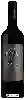
Winery Cameron HughesLot 174 Syrah
 Red wine
This wine generally goes well with poultry, beef or game (deer, venison).
Food and wine pairings with Lot 174 Syrah
Pairings that work perfectly with Lot 174 Syrah



Original food and wine pairings with Lot 174 Syrah

The Lot 174 Syrah of Winery Cameron Hughes matches generally quite well with dishes of beef, lamb or game (deer, venison) such as recipes of greek moussaka, lamb tagine with prunes or boar in civet.
Details and technical informations about Winery Cameron Hughes's Lot 174 Syrah.
Discover the grape variety: Mencia
Spanish, more precisely from the Duero Valley where it is still very present. According to some ampelographers, it is close to Cabernet Franc.
Informations about the Winery Cameron Hughes
The Winery Cameron Hughes is one of wineries to follow in Sonoma County.. It offers 699 wines for sale in the of Sonoma County to come and discover on site or to buy online.

The wine region of Sonoma County
The wine region of Sonoma County is located in the region of North Coast of California of United States. We currently count 1105 estates and châteaux in the of Sonoma County, producing 2365 different wines in conventional, organic and biodynamic agriculture. The wines of Sonoma County go well with generally quite well with dishes .
The wine region of California
California is the largest and most important wine region in the United States. It represents the southern two-thirds (850 miles or 1,370 kilometers) of the country's west coast. (Oregon and Washington make up the rest. ) The state also spans nearly 10 degrees of latitude.
The word of the wine: Amylic
Aroma reminiscent of banana, candy, and sometimes nail polish, particularly present in primeur wines. The amylic taste is reminiscent of the aromas of industrial confectionery and does not reflect a great expression of terroir.