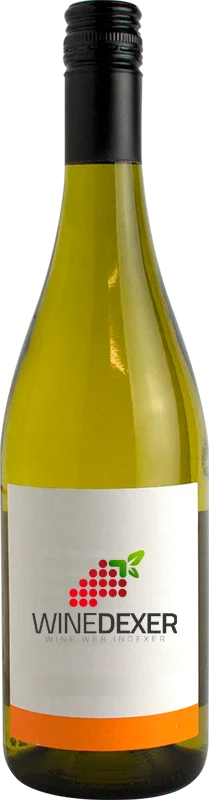
Winery CambasSauvignon Blanc
 White wine


This wine generally goes well with vegetarian, rich fish (salmon, tuna etc) or shellfish.

Wine flavors and olphactive analysis

On the nose the Sauvignon Blanc of Winery Cambas in the region of Peloponnesos often reveals types of flavors of earth, tree fruit.
Food and wine pairings with Sauvignon Blanc
Pairings that work perfectly with Sauvignon Blanc



Original food and wine pairings with Sauvignon Blanc
The Sauvignon Blanc of Winery Cambas matches generally quite well with dishes of rich fish (salmon, tuna etc), shellfish or vegetarian such as recipes of salmon and leek gratin, linguine with shrimp and spicy tomato sauce or vegan leek and tofu quiche.
Details and technical informations about Winery Cambas's Sauvignon Blanc.
Discover the grape variety: Exalta
Simple, fresh dry or rosé-style whites with a pale pink-copper hue, supple palate and moderate acidity, showing understated aromas of citrus and white flowers. Rustic, discreet profile. Preserved in a few ampelographic collections, it belongs to the group of ancient varieties kept for their patrimonial value and studied for their genetic interest. Rare, poorly documented grey grape variety grown in very limited quantities.
Last vintages of this wine

The best vintages of Sauvignon Blanc from Winery Cambas are 2018, 0, 2015, 2017
Informations about the Winery Cambas
The Winery Cambas is one of of the world's great estates. It offers 28 wines for sale in the of Peloponnesos to come and discover on site or to buy online.

The wine region of Peloponnesos
Southern Greece, the country's 2nd region by volume, high-altitude vineyards (200-900 m). Signature Agiorgitiko at Nemea ("Hercules' Blood"): deep ruby reds with signature notes of black cherry, plum, blackberry, sweet spices and a balsamic touch, supple tannins and a velvety palate — fleshy and accessible. At Mantinia (600 m), pink-skinned Moschofilero gives aromatic whites (rose, citrus, white flowers). Sweet fortified Mavrodaphne, fresh Roditis.
The word of the wine: Local wine
Table wine, but with the origin indicated. It corresponds to a particular legislation: the freedom to use grape varieties is greater than for the AOC, but the quality criteria such as the approval tastings can sometimes be more demanding. The legislation is still evolving, but for the moment there are three levels: regional (e.g. Vin de Pays d'Oc), departmental and local (e.g. Côtes de Thongue).


