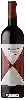
Winery CaiarossaLa Serra Toscana
 Red wine


In the mouth this red wine is a with a lot of tannins present in the mouth.
This wine generally goes well with poultry, beef or veal.

Taste structure of the La Serra Toscana from the Winery Caiarossa
Light | Bold | |
Smooth | Tannic | |
Dry | Sweet | |
Soft | Acidic |
In the mouth the La Serra Toscana of Winery Caiarossa in the region of Tuscany is a with a lot of tannins present in the mouth.
Food and wine pairings with La Serra Toscana
Pairings that work perfectly with La Serra Toscana



Original food and wine pairings with La Serra Toscana


The La Serra Toscana of Winery Caiarossa matches generally quite well with dishes of beef, lamb or veal such as recipes of ramen burger, steamed lamb shoulder with cumin and coriander or fillet of beef with morels.
Details and technical informations about Winery Caiarossa's La Serra Toscana.
Discover the grape variety: Vernatsch
Light, fruity reds with a clear ruby robe, silky tannins and an airy, fresh palate, with signature aromas of red fruits (strawberry, cherry), soft spices, almond and alpine floral notes. A distinctively refreshing profile to drink young. Star of Alto Adige Vernatsch DOC and Lago di Caldaro DOC, the alpine signature of South Tyrol. German synonym of the Italian Schiava, native black grape of Südtirol, widely planted in Alto Adige and Trentino.
Last vintages of this wine
The best vintages of La Serra Toscana from Winery Caiarossa are 0
Informations about the Winery Caiarossa
The Winery Caiarossa is one of of the world's greatest estates. It offers 8 wines for sale in the of Tuscany to come and discover on site or to buy online.

The wine region of Tuscany
Kingdom of Sangiovese: upright reds with cherry, plum, dried herbs and leather, lively acidity and firm tannins. Fleshy, food-friendly Chianti Classico DOCG, deep long-ageing Brunello di Montalcino (spice, tobacco, ripe black fruit), elegant Vino Nobile di Montepulciano. On the coast, Bolgheri crafts the opulent Cabernet- and Merlot-based 'Super Tuscans'. Some fresh white Vernaccia.
The word of the wine: Film maceration
A technique that consists of leaving the grapes to macerate in the open air at a low temperature before fermentation, thus enhancing the aromatic expression of the wine.