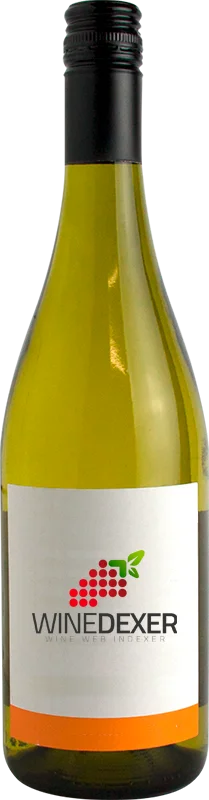
Winery The Butcher's DaughterLa Fille du Boucher Premium Muscat
 White wine
In the mouth this white wine is a .
This wine generally goes well with vegetarian, poultry or lean fish.
Taste structure of the La Fille du Boucher Premium Muscat from the Winery The Butcher's Daughter
Light | Bold | |
Dry | Sweet | |
Soft | Acidic |
In the mouth the La Fille du Boucher Premium Muscat of Winery The Butcher's Daughter in the region of Languedoc-Roussillon is a .
Food and wine pairings with La Fille du Boucher Premium Muscat
Pairings that work perfectly with La Fille du Boucher Premium Muscat



Original food and wine pairings with La Fille du Boucher Premium Muscat


The La Fille du Boucher Premium Muscat of Winery The Butcher's Daughter matches generally quite well with dishes of pasta, vegetarian or poultry such as recipes of pasta stuffed with meat, magic cake cheese quiche or spaetzle.
Details and technical informations about Winery The Butcher's Daughter's La Fille du Boucher Premium Muscat.
Discover the grape variety: Merlot
Merlot is a red grape variety with small black berries that appeared at the end of the 18th century. It is produced in most of the Bordeaux terroirs, where it represents 58% of the planted area, and its best terroir is located in Pomerol and Saint-Emilion on cool, clay-limestone soils. At the mythical Château Pétrus, the wine is made with 95% Merlot, with a dark, dense colour, aromas of red and black fruits and a superb range of flavours, the Merlot transforms during its ageing to give way to notes of prunes, undergrowth and spices. On the palate, it is supple with distinguished tannins. It is often blended with Cabernet Sauvignon. Merlot is no longer exclusive to Bordeaux, it is nowadays vinified all over the world.
Informations about the Winery The Butcher's Daughter
The Winery The Butcher's Daughter is one of of the world's greatest estates. It offers 10 wines for sale in the of Languedoc-Roussillon to come and discover on site or to buy online.

The wine region of Languedoc-Roussillon
Languedoc (formerly Coteaux du Languedoc) is a key appellation used in the Languedoc-Roussillon wine region of southern France. It covers Dry table wines of all three colors (red, white and rosé) from the entire region, but leaves Sweet and Sparkling wines to other more specialized appellations. About 75% of all Languedoc wines are red, with the remaining 25% split roughly down the middle between whites and rosés. The appellation covers most of the Languedoc region and almost a third of all the vineyards in France.
The word of the wine: Disgorging (champagne)
This is the evacuation of the deposit formed by the yeasts during the second fermentation in the bottle, by opening the bottle. The missing volume is completed with the liqueur de dosage - a mixture of wine and cane sugar - before the final cork is placed. For some years now, some producers have been replacing this sugar with rectified concentrated musts (concentrated grape juice) which give excellent results. A too recent dosage (less than three months) harms the gustatory harmony of the champagne.