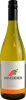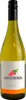
Winery BurjaZelen
 White wine



This wine generally goes well with

Wine flavors and olphactive analysis






On the nose the Zelen of Winery Burja in the region of Primorje often reveals types of flavors of non oak, earth or microbio and sometimes also flavors of vegetal, oak or tree fruit.
Details and technical informations about Winery Burja's Zelen.
Discover the grape variety: Kerner
Aromatic, structured whites with lively acidity and a slender mouth, featuring muscat-like aromas of white peach, apricot, white flowers, citrus and Riesling-like notes. Made as nervy dry wines (Trocken), off-dry (Kabinett, Spätlese) and mineral high-altitude cuvées. Grown in Germany (Rheinhessen, Palatinate, Württemberg), northern Italy (Alto Adige in the high Val Venosta valleys) and Japan. A Trollinger × Riesling cross created in 1929 in Weinsberg.
Last vintages of this wine
The best vintages of Zelen from Winery Burja are 2019, 2017, 0, 2018 and 2015.
Informations about the Winery Burja
The Winery Burja is one of of the world's greatest estates. It offers 10 wines for sale in the of Vipava to come and discover on site or to buy online.

The wine region of Vipava
Western Slovenian valley between Julian Alps and Adriatic, mild climate and marl soils (>2,300 ha). Mostly elegant whites with persistent bouquet. Signature Rebula (Ribolla Gialla) with notes of pear, citrus, white flowers, fresh almond and a saline mineral touch, taut palate. Also lively Sauvignon Blanc, ample Chardonnay, floral Malvasia.
The wine region of Primorje
Coastal region of western Slovenia, the country's most qualitative, bordering Italy. Signature elegant whites and orange wines. Star Rebula (Ribolla Gialla) with signature notes of pear, citrus, white flowers, fresh almond and a mineral touch, taut and long palate — often in long maceration (orange) with dried fruits and black tea notes. Native Refošk as dense, lively red (black cherry, iron).
The word of the wine: Aging
Period during which a wine is kept in a cellar where it goes through different phases of evolution of its aromatic range and a maturation of its constituents (evolution of the colour, refining of the tannins, harmonization of the different flavours, etc.). The wine evolves better and less quickly in large containers, whereas it deteriorates prematurely in half-bottles.