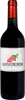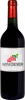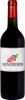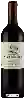
Winery Brusina BrandlerChateau Bellegrave Saint Emilion
 Red wine
This wine generally goes well with poultry, beef or game (deer, venison).

Food and wine pairings with Chateau Bellegrave Saint Emilion
Pairings that work perfectly with Chateau Bellegrave Saint Emilion



Original food and wine pairings with Chateau Bellegrave Saint Emilion

The Chateau Bellegrave Saint Emilion of Winery Brusina Brandler matches generally quite well with dishes of beef, lamb or game (deer, venison) such as recipes of simple baked roast beef, lamb crumble with oregano and feta cheese or rabbit with hunter's sauce.
Details and technical informations about Winery Brusina Brandler's Chateau Bellegrave Saint Emilion.
Discover the grape variety: Klingelberger
Aromatic and mineral whites of great ageing potential, with a pale golden colour, a taut palate with vibrant acidity and signature aromas of citrus (lemon, grapefruit), green apple, flint, white flowers and petrol notes at maturity. Also as botrytised Spätlese, Auslese and Eiswein. Produces great whites in German Baden, a typical expression of Durbach and Schloss Staufenberg. Synonym of Riesling used in Germany (Baden, Durbach).
Informations about the Winery Brusina Brandler
The Winery Brusina Brandler is one of of the world's greatest estates. It offers 5 wines for sale in the of Saint-Émilion to come and discover on site or to buy online.

The wine region of Saint-Émilion
Jewel of Bordeaux's right bank: signature Merlot reigns in reds (~60%) — charming and velvety with notes of plum, black cherry, blackberry, chocolate, liquorice and a smoky-leather touch, round tannins and lush texture. Cabernet Franc (~30%) complements (wild strawberry, blackcurrant, violet), firm Cabernet Sauvignon in a touch. Age-worthy aromas (undergrowth, truffle). Legendary AOC (1955, UNESCO 1999), Grands Crus Classés, asteriated limestone and clays.
The wine region of Bordeaux
World-renowned age-worthy reds, led by round Merlot (plum, black fruit) or firm Cabernet Sauvignon (blackcurrant, cedar, graphite), blended with Cabernet Franc and Petit Verdot for tannic structure. Structured Médoc and Graves, velvety Saint-Émilion and Pomerol. Also crisp dry whites (Sauvignon/Sémillon) and opulent sweet Sauternes with honey and candied fruit. A 110,000 ha Gironde vineyard, 65 appellations, cradle of the 1855 classified growths.
The word of the wine: Racé
Character of a great wine remarkable for its elegance and finesse.