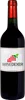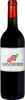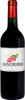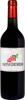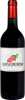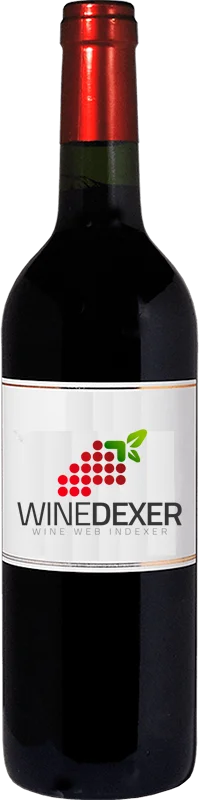
Maison BoueyPavarma Merlot Pays d'Oc
 Red wine
This wine generally goes well with beef and game (deer, venison).

Food and wine pairings with Pavarma Merlot Pays d'Oc
Pairings that work perfectly with Pavarma Merlot Pays d'Oc


Original food and wine pairings with Pavarma Merlot Pays d'Oc
The Pavarma Merlot Pays d'Oc of Maison Bouey matches generally quite well with dishes of beef, pasta or veal such as recipes of spaghetti with beef balls, pasta with goat cheese, thyme and bacon or veal blanquette burger.
Details and technical informations about Maison Bouey's Pavarma Merlot Pays d'Oc.
Discover the grape variety: Merlot
Round and fleshy reds with a velvety texture, showing aromas of ripe plum, black cherry, cocoa and truffle notes with age. Supple tannins, generous alcohol, indulgent finish. Pillar of Libournais (Pomerol with Pétrus, Saint-Émilion with Cheval Blanc and Ausone) and signature of Super Tuscans, Italian Wales and Washington State. A cross of Cabernet Franc × Magdeleine Noire, France's most planted red variety.
Informations about the Maison Bouey
The Maison Bouey is one of wineries to follow in Pays d'Oc.. It offers 509 wines for sale in the of Pays d'Oc to come and discover on site or to buy online.

The wine region of Pays d'Oc
The single-grape IGP par excellence: modern, accessible, frank and fruity wines, the popular signature of the Midi. Spicy Syrah reds (pepper, blackberry), round Merlot, structured Cabernet, generous Grenache, supple Cinsault. Crisp, tangy rosés. Opulent Chardonnay whites, lively Sauvignon, floral, apricoty Viognier.
The word of the wine: Musk
A sensual, full-bodied animal substance used in luxury perfumery, produced by a small deer, the musk deer, also called musk deer.