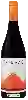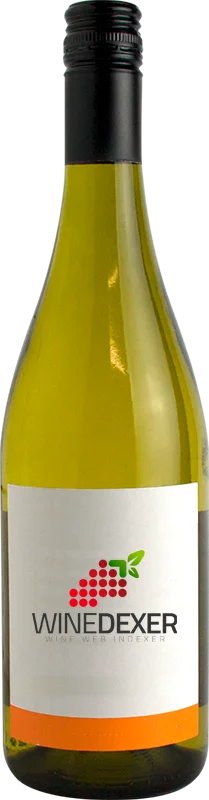
Winery BorsaoViña Borgia Blanco
 White wine
This wine generally goes well with

Details and technical informations about Winery Borsao's Viña Borgia Blanco.
Discover the grape variety: Muscat de Hambourg
Aromatic sweet to luscious reds with a garnet ruby colour, an enveloping palate with moderate acidity, and intense muscat signature aromas (rose, fresh grape), candied red fruits and honey. Also a highly prized table grape for its appearance and muscat flavour. Grown in the Mediterranean, Central Asia and California, producing original sweet wines. Aromatic black grape obtained in 1837 in England (Muscat of Alexandria × Schiava grossa).
Informations about the Winery Borsao
The Winery Borsao is one of of the world's great estates. It offers 63 wines for sale in the of Campo de Borja to come and discover on site or to buy online.

The wine region of Campo de Borja
DO of Aragon at the foot of Moncayo, nicknamed the 'Empire of Garnacha' (~60% of the vineyard, plantings since 1145). Grenache as a generous, fruity red: signature notes of ripe cherry, raspberry, plum, garrigue, sweet spices and a peppery touch, round tannins and a sunny palate — old vines aged 30-50 years. Supple Tempranillo, firm Mazuelo, Cabernet and Syrah round things out. Whites Macabeo, Chardonnay, Moscatel.
The wine region of Aragon
Autonomous community of northeast Spain, historic kingdom of Iberian red Grenache (~75%). Signature Garnacha: generous and sun-drenched with signature ripe cherry, crushed strawberry, garrigue, kirsch, sweet spice and a balsamic touch, round tannins and a warm, alcoholic palate. 4 major DOs: Cariñena the largest (old vines), Calatayud high-altitude, Campo de Borja and Somontano at the Pyrenean foothills. Fresh Macabeo and Garnacha blanca whites.
The word of the wine: Foxé
An animal odor found in certain reduced or old wines, which are also said to fox, in reference to the fox.