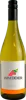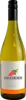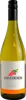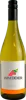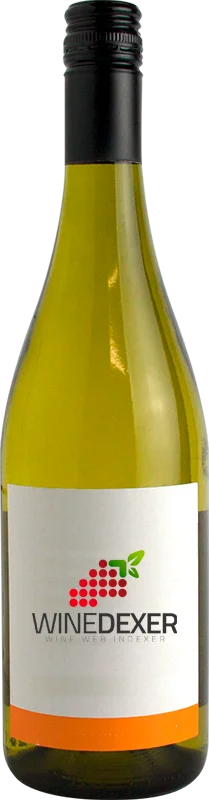
Winery BorovitzaGreat Terroirs Chardonnay - Sauvignon Blanc
 White wine
This wine generally goes well with pork, vegetarian or poultry.

Food and wine pairings with Great Terroirs Chardonnay - Sauvignon Blanc
Pairings that work perfectly with Great Terroirs Chardonnay - Sauvignon Blanc



Original food and wine pairings with Great Terroirs Chardonnay - Sauvignon Blanc


The Great Terroirs Chardonnay - Sauvignon Blanc of Winery Borovitza matches generally quite well with dishes of pork, rich fish (salmon, tuna etc) or shellfish such as recipes of texas style ribs / loin ribs, poached salmon in coconut milk with curry or pasta with shrimp.
Details and technical informations about Winery Borovitza's Great Terroirs Chardonnay - Sauvignon Blanc.
Discover the grape variety: Chardonnay
Whites with many faces: mineral and taut at Chablis (lemon, green apple, flint), opulent and buttery at Meursault and Puligny-Montrachet (hazelnut, brioche, yellow fruits), tense and chalky in Champagne (Blanc de Blancs). Also vinified sparkling and widely exported (Sonoma, Margaret River, Casablanca). A Burgundian variety, a cross of Pinot Noir × Gouais Blanc, half-sibling of Aligoté.
Informations about the Winery Borovitza
The Winery Borovitza is one of of the world's great estates. It offers 29 wines for sale in the of Black Sea to come and discover on site or to buy online.

The wine region of Black Sea
Vast transnational zone around the Black Sea (Bulgaria, Romania, Russia, Ukraine, Georgia, Turkey), one of the world's cradles of wine (6,000 years). Signature Saperavi in dense, deep red with signature notes of black cherry, blackberry, plum, ink, leather and a spicy touch, firm tannins. Structured Bulgarian Mavrud, supple Ukrainian Odesa Black. Rkatsiteli in taut white (green apple, citrus, mineral).
The word of the wine: Viscosity
Consistency of wine reminiscent of the tactile sensation of sugar syrup with varying degrees of fluidity, due to the alcohol and natural sugar in the grapes present in sweet wines. In excess, this sensation can make the wine pasty and heavy. To the eye, viscosity is referred to as tears.