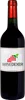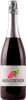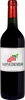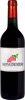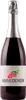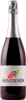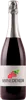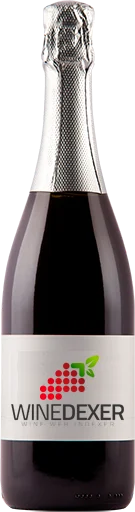
Winery Borgo EstenseLambrusco dell'Emilia Rosso Secco
 Sparkling wine


This wine generally goes well with pork, poultry or rich fish (salmon, tuna etc).

Food and wine pairings with Lambrusco dell'Emilia Rosso Secco
Pairings that work perfectly with Lambrusco dell'Emilia Rosso Secco



Original food and wine pairings with Lambrusco dell'Emilia Rosso Secco


The Lambrusco dell'Emilia Rosso Secco of Winery Borgo Estense matches generally quite well with dishes of pork, rich fish (salmon, tuna etc) or mature and hard cheese such as recipes of english breakfast, tuna lasagna or matouille or hot tome des bauges (savoie).
Details and technical informations about Winery Borgo Estense's Lambrusco dell'Emilia Rosso Secco.
Discover the grape variety: Carcajolo
Simple, fresh whites with low aromatics, a pale golden robe, a supple palate with moderate acidity, and discreet aromas of citrus and Mediterranean white flowers. Often blended in local Corsican whites, a precious witness of the island's ampelographic heritage. White Corsican variety, a mutation of Carcajolo noir, grown on a few hectares in Corse-du-Sud.
Last vintages of this wine
The best vintages of Lambrusco dell'Emilia Rosso Secco from Winery Borgo Estense are 2008, 0
Informations about the Winery Borgo Estense
The Winery Borgo Estense is one of of the world's greatest estates. It offers 9 wines for sale in the of Emilia-Romagna to come and discover on site or to buy online.

The wine region of Emilia-Romagna
Kingdom of Lambrusco: fresh, fruity sparkling reds (blackberry, cherry, violet), from gourmet dry to convivial off-dry, perfect with local charcuterie. World's best-selling sparkling wine on the Emilia side (Sorbara, Grasparossa, Salamino). East, Romagna: supple fruity Sangiovese, Albana (Italy's 1st white DOCG, 1987) ample and almondy. Also red Gutturnio and white Pignoletto.
The word of the wine: Seeds
A maximum of four, located in the heart of the grape berry, they contain tannins and nitrogenous matter.