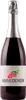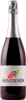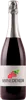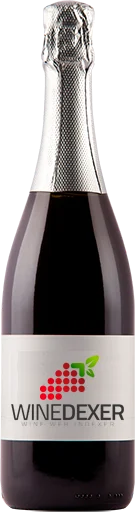
Winery Borgo EstenseLambrusco dell'Emilia Rosso Amabile
 Sparkling wine


This wine generally goes well with pork, poultry or rich fish (salmon, tuna etc).

Food and wine pairings with Lambrusco dell'Emilia Rosso Amabile
Pairings that work perfectly with Lambrusco dell'Emilia Rosso Amabile



Original food and wine pairings with Lambrusco dell'Emilia Rosso Amabile


The Lambrusco dell'Emilia Rosso Amabile of Winery Borgo Estense matches generally quite well with dishes of pork, rich fish (salmon, tuna etc) or mature and hard cheese such as recipes of homemade burger, steamed ginger fish (china) or gluten-free ham and olive cake.
Details and technical informations about Winery Borgo Estense's Lambrusco dell'Emilia Rosso Amabile.
Discover the grape variety: Palieri
Table grape with long clusters and spherical black-violet berries, thin skin and crisp flesh, sweet fresh taste. Grown in Italy for fresh consumption, prized for its attractive appearance and good shelf life. One of the Italian table grape varieties sold across European supermarkets and markets. Black Italian table grape variety obtained by crossing for fresh consumption.
Last vintages of this wine
The best vintages of Lambrusco dell'Emilia Rosso Amabile from Winery Borgo Estense are 2008, 0, 2014, 2013
Informations about the Winery Borgo Estense
The Winery Borgo Estense is one of of the world's greatest estates. It offers 9 wines for sale in the of Emilia-Romagna to come and discover on site or to buy online.

The wine region of Emilia-Romagna
Kingdom of Lambrusco: fresh, fruity sparkling reds (blackberry, cherry, violet), from gourmet dry to convivial off-dry, perfect with local charcuterie. World's best-selling sparkling wine on the Emilia side (Sorbara, Grasparossa, Salamino). East, Romagna: supple fruity Sangiovese, Albana (Italy's 1st white DOCG, 1987) ample and almondy. Also red Gutturnio and white Pignoletto.
The word of the wine: Vinification of sweet wines
Moelleux and liquoreux wines are characterized by the presence of residual sugars (natural sugar of the grape), not transformed into alcohol under the effect of yeasts. The fermentation is stopped by cold and by the addition of sulphur dioxide (sulphur).