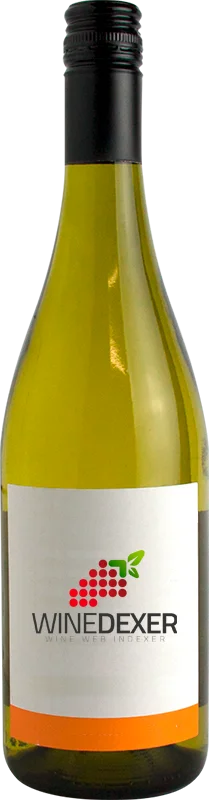
Winery Finca Son BordilsMuscat
 White wine



This wine generally goes well with

Wine flavors and olphactive analysis


On the nose the Muscat of Winery Finca Son Bordils in the region of Iles Baléares often reveals types of flavors of citrus, smoke or non oak and sometimes also flavors of earth, oak or citrus fruit.
Details and technical informations about Winery Finca Son Bordils's Muscat.
Discover the grape variety: Muscat Ottonel
Delicate and fine muscat whites with a tender palate and moderate acidity, on intense and refined aromas of orange blossom, rose, fresh grape, citrus, white peach and airy muscat (more subtle than Muscat Blanc à Petits Grains). Made as aromatic dry aperitif whites (Alsace, Baden), off-dry and sumptuous botrytised liquoreux (Burgenland in Austria, Cotnari in Romania, Tokaj). Created in the 19th century by Robert Moreau (Angers), a cross of Chasselas × Muscat de Saumur.
Last vintages of this wine
The best vintages of Muscat from Winery Finca Son Bordils are 2017, 2016
Informations about the Winery Finca Son Bordils
The Winery Finca Son Bordils is one of of the world's greatest estates. It offers 10 wines for sale in the of Mallorca to come and discover on site or to buy online.

The wine region of Mallorca
Mediterranean wine island of the Balearics, a scene in full qualitative renewal. Native Manto Negro is the signature of Binissalem (min. 30%): velvety reds with signature notes of ripe cherry, plum, garrigue, sweet spices and a smoky touch, round tannins and a sun-drenched palate — the Mallorcan identity. Also supple Callet, fruity Fogoneu, rare Gorgollasa in revival.
The wine region of Iles Baléares
Spanish Mediterranean archipelago (Majorca, Minorca, Ibiza), warm insular climate, limestone soils. Manto Negro (Majorca, 320 ha, native): supple and silky with red cherry, raspberry, plum, Mediterranean herbs and spicy hint, fine tannins and moderate alcohol. Round and fragrant Callet (native) solo or blended (young and rosé). Cabernet and Merlot for ageing cuvées.
The word of the wine: Rosé de saignée
A method of making rosé wine that consists of partially draining a vat of red wine after a few hours of maceration. The longer the maceration, the stronger the colour. This practice gives rich and expressive rosés.