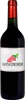
Bodegas XalóVall de Xaló Tinto
 Red wine


In the mouth this red wine is a powerful with a nice freshness.
This wine generally goes well with poultry, beef or veal.

Taste structure of the Vall de Xaló Tinto from the Bodegas Xaló
Light | Bold | |
Smooth | Tannic | |
Dry | Sweet | |
Soft | Acidic |
In the mouth the Vall de Xaló Tinto of Bodegas Xaló in the region of Valence is a powerful with a nice freshness.
Food and wine pairings with Vall de Xaló Tinto
Pairings that work perfectly with Vall de Xaló Tinto



Original food and wine pairings with Vall de Xaló Tinto

The Vall de Xaló Tinto of Bodegas Xaló matches generally quite well with dishes of beef, pasta or veal such as recipes of piglet shoulder with melting baked apples, soft and inexpensive pasta gratin or braised veal heart with carrots.
Details and technical informations about Bodegas Xaló's Vall de Xaló Tinto.
Discover the grape variety: Semidano
Crisp, aromatic dry whites with a pale golden colour, a slender palate and fresh acidity, showing delicate aromas of citrus (lemon, mandarin), white fruits (apple, pear), white flowers and characteristic saline marine notes of island terroirs. A thirst-quenching Mediterranean style. Star of Sardegna Semidano DOC (Mogoro sub-zone), the signature white variety of western Sardinia. Indigenous Italian variety from Sardinia.
Last vintages of this wine
The best vintages of Vall de Xaló Tinto from Bodegas Xaló are 2017, 2014, 2018, 2015 and 0.
Informations about the Bodegas Xaló
The Bodegas Xaló is one of of the world's greatest estates. It offers 31 wines for sale in the of Valence to come and discover on site or to buy online.

The wine region of Valence
Sunny Mediterranean Levant, sun-drenched accessible wines. Monastrell (Mourvèdre) star red in Alicante: fleshy and deep with black fruits, garrigue, leather and spice, firm tannins. Round, fruity Bobal from Utiel-Requena, supple Garnacha, juicy Tempranillo. Fresh whites: light Merseguera, aromatic Moscatel (fresh grape, flowers).
The word of the wine: Decanter
1) Glass container with a narrow neck used to aerate or decant the wine. 2) Decanter wines: wines that are drunk young and that were once drawn directly from the barrel. For example, some Muscadets or Beaujolais.