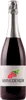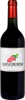
Bodegas GardelVivolino Tinto
 Red wine


In the mouth this red wine is a powerful with a nice balance between acidity and tannins.
This wine generally goes well with poultry, beef or veal.

Taste structure of the Vivolino Tinto from the Bodegas Gardel
Light | Bold | |
Smooth | Tannic | |
Dry | Sweet | |
Soft | Acidic |
In the mouth the Vivolino Tinto of Bodegas Gardel in the region of Castille is a powerful with a nice balance between acidity and tannins.
Food and wine pairings with Vivolino Tinto
Pairings that work perfectly with Vivolino Tinto



Original food and wine pairings with Vivolino Tinto

The Vivolino Tinto of Bodegas Gardel matches generally quite well with dishes of beef, pasta or veal such as recipes of small stuffed fish from nice, soft and inexpensive pasta gratin or stuffed veal breast.
Details and technical informations about Bodegas Gardel's Vivolino Tinto.
Discover the grape variety: Couderc
Simple, colourful and fruity reds with a deep ruby colour, supple tannins and a light palate with moderate acidity, showing aromas of red fruits and discreet hybrid notes. Productive and resistant to phylloxera. Now marginal, it survives in a few heritage plots and French ampelographic collections, a witness to post-phylloxera hybridisation. French black hybrid variety obtained by Georges Couderc at the end of the 19th century.
Last vintages of this wine

The best vintages of Vivolino Tinto from Bodegas Gardel are 2017, 2015, 2013, 0 and 2016.
Informations about the Bodegas Gardel
The Bodegas Gardel is one of of the world's greatest estates. It offers 13 wines for sale in the of Castille to come and discover on site or to buy online.

The wine region of Castille
Cradle of great Castilian reds, high-altitude plateaus (450-1000 m) along the Duero. Tempranillo king (aka Tinta de Toro, Tinto Fino): powerful, concentrated, structured reds with notes of black cherry, plum, leather, tobacco and spice, firm tannins from altitude and cool nights. Stars: Ribera del Duero (Vega Sicilia, Pingus), fleshy Toro, Bierzo (floral, mineral Mencía). Lively, herbaceous Verdejo whites from Rueda.
The word of the wine: Serious
A Bordeaux term for small pebbles from the Pyrenees, eroded, rounded and transported by the Garonne to Aquitaine. They are mainly found on the left bank in the area.... known as the Graves, and further downstream in the Médoc. By extension, gravel is found in other regions, brought by other rivers or even glaciers.