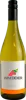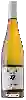
Winery BlöserOberdollendorf Weissburgunder trocken
 White wine


In the mouth this white wine is a with a nice freshness.
This wine generally goes well with rich fish (salmon, tuna etc), shellfish or mild and soft cheese.
Taste structure of the Oberdollendorf Weissburgunder trocken from the Winery Blöser
Light | Bold | |
Dry | Sweet | |
Soft | Acidic |
In the mouth the Oberdollendorf Weissburgunder trocken of Winery Blöser in the region of Mittelrhein is a with a nice freshness.
Food and wine pairings with Oberdollendorf Weissburgunder trocken
Pairings that work perfectly with Oberdollendorf Weissburgunder trocken



Original food and wine pairings with Oberdollendorf Weissburgunder trocken

The Oberdollendorf Weissburgunder trocken of Winery Blöser matches generally quite well with dishes of rich fish (salmon, tuna etc), shellfish or mild and soft cheese such as recipes of italian tabbouleh, fried squid or tuna pizza.
Details and technical informations about Winery Blöser's Oberdollendorf Weissburgunder trocken.
Discover the grape variety: Abondance
A very old grape variety that was once grown in Savoie and more generally in the Isère Valley, but has now almost disappeared from the vineyards. It should not be confused with Abundant which is a white grape variety formerly cultivated in eastern France.
Last vintages of this wine
The best vintages of Oberdollendorf Weissburgunder trocken from Winery Blöser are 0
Informations about the Winery Blöser
The Winery Blöser is one of of the world's great estates. It offers 21 wines for sale in the of Mittelrhein to come and discover on site or to buy online.

The wine region of Mittelrhein
Mittelrhein is one of Germany's smaller wine regions, with around 468 hectares (1,156 acres) under Vine. A Long, thin region, it follows the course of the Rhine river between Rheinhessen/bingen">Bingen and Bonn, a distance of about 100 kilometers (60 miles) as the crow flies. At its Southern end, the region abuts the western edge of Rheinhessen and northern limits of the Nahe. It also intersects with the Mosel and Ahr regions, where their respective rivers Flow into the Rhine.
The word of the wine: Juice
The juice of wine grapes (intended for wine making) is colourless. It is the anthocyanins contained in the grape skin that colour the juice during maceration.