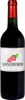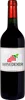
Winery Big BanyanShiraz
 Red wine



This wine generally goes well with beef, lamb or mature and hard cheese.
The Shiraz of the Winery Big Banyan is in the top 80 of wines of Bangalore.


Food and wine pairings with Shiraz
Pairings that work perfectly with Shiraz



Original food and wine pairings with Shiraz

The Shiraz of Winery Big Banyan matches generally quite well with dishes of beef, lamb or spicy food such as recipes of chinese fondue, lamb mouse with figs and grapes or curried veal roulades.
Details and technical informations about Winery Big Banyan's Shiraz.
Discover the grape variety: Bouysselet
Resulting from a natural intraspecific crossing between the Savagnin and the Cauzette plant, the latter being close to the Tannat. It should be noted that it has very often been confused with the Saint Côme, it is true that we have noted some points of resemblance. Bouysselet is very old in the Haute Garonne, more precisely in Villaudric, where it almost disappeared, but has now been replanted to the great satisfaction of connoisseurs. It is registered in the Official Catalogue of wine grape varieties, list A1.
Last vintages of this wine
The best vintages of Shiraz from Winery Big Banyan are 2017, 2018, 0, 2016
Informations about the Winery Big Banyan
The Winery Big Banyan is one of of the world's greatest estates. It offers 11 wines for sale in the of Bangalore to come and discover on site or to buy online.

The wine region of Bangalore
The wine region of Bangalore of India. Wineries and vineyards like the Domaine Grover Zampa or the Domaine Krsma produce mainly wines red, white and pink. The most planted grape varieties in the region of Bangalore are Cabernet-Sauvignon, Chenin blanc and Viognier, they are then used in wines in blends or as a single variety. On the nose of Bangalore often reveals types of flavors of cherry, tobacco or minerality and sometimes also flavors of lemon, grass or melon.
The word of the wine: Maceration
Prolonged contact and exchange between the juice and the grape solids, especially the skin. Not to be confused with the time of fermentation, which follows maceration. The juice becomes loaded with colouring matter and tannins, and acquires aromas. For a rosé, the maceration is short so that the colour does not "rise" too much. For white wines too, a "pellicular maceration" can be practised, which allows the wine to acquire more fat.