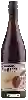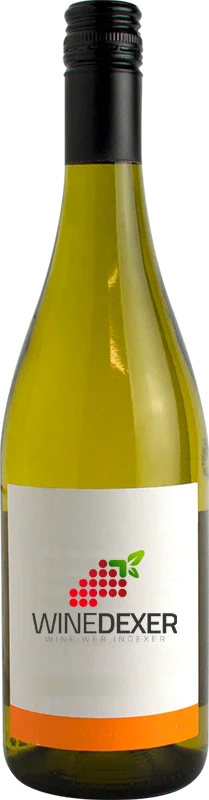
Winery Between Five BellsAmber
 White wine



This wine is a blend of 4 varietals which are the Chardonnay, the Pinot gris, the Riesling and the Viognier.
This wine generally goes well with pork, vegetarian or poultry.

Wine flavors and olphactive analysis



On the nose the Amber of Winery Between Five Bells in the region of Victoria often reveals types of flavors of earth, tree fruit or spices and sometimes also flavors of citrus fruit.
Food and wine pairings with Amber
Pairings that work perfectly with Amber



Original food and wine pairings with Amber



The Amber of Winery Between Five Bells matches generally quite well with dishes of pork, game (deer, venison) or rich fish (salmon, tuna etc) such as recipes of traditional welsh dark beer, wild boar bourguignon or baked salmon mediterranean style.
Details and technical informations about Winery Between Five Bells's Amber.
Discover the grape variety: Chardonnay
Whites with many faces: mineral and taut at Chablis (lemon, green apple, flint), opulent and buttery at Meursault and Puligny-Montrachet (hazelnut, brioche, yellow fruits), tense and chalky in Champagne (Blanc de Blancs). Also vinified sparkling and widely exported (Sonoma, Margaret River, Casablanca). A Burgundian variety, a cross of Pinot Noir × Gouais Blanc, half-sibling of Aligoté.
Last vintages of this wine
The best vintages of Amber from Winery Between Five Bells are 2019, 0, 2018
Informations about the Winery Between Five Bells
The Winery Between Five Bells is one of of the world's greatest estates. It offers 16 wines for sale in the of Victoria to come and discover on site or to buy online.

The wine region of Victoria
Australian diversity from cool to temperate climate. Yarra Valley and Mornington: fine, silky Pinot Noir (cherry, raspberry, undergrowth), taut, mineral Chardonnay. Heathcote: structured Shiraz with black fruits, pepper and chocolate. Rutherglen, fortified capital: opulent sweet Topaque and Muscat (raisin, caramel, fig, roast notes).
The word of the wine: Thermoregulation
Control of the vinification temperatures (by circulating hot or cold water on the walls of the vats, for example). This is a major step forward, which in particular helps to preserve the freshness of the aromas threatened by excessive temperature rises during fermentation.