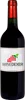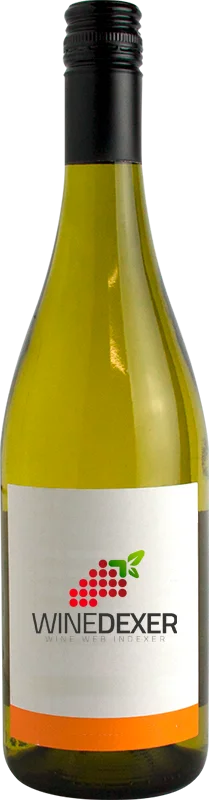
Winery Be WinemakerМускат (Muscat)
 White wine
This wine generally goes well with spicy food and sweet desserts.
Food and wine pairings with Мускат (Muscat)
Pairings that work perfectly with Мускат (Muscat)


Original food and wine pairings with Мускат (Muscat)
The Мускат (Muscat) of Winery Be Winemaker matches generally quite well with dishes of spicy food or sweet desserts such as recipes of red mullet, mackerel, tuna, salmon sushi or chocolate mousse.
Details and technical informations about Winery Be Winemaker's Мускат (Muscat).
Discover the grape variety: Verdanel
The Verdanel grape variety is particularly cultivated in the southwestern region of Gaillac, in the Tarn department. This very old white grape variety does not fear either the cold or the heat. Today, it is very rare and almost extinct. The Verdanel is not classified in the Appellations of Controlled Origin. The Verdanel has serrated leaves, almost whole and of a tender green colour. Its conical bunches are filled with medium-sized, slightly ellipsoid fruits. When the berries reach maturity, their greenish-white color turns to golden white. A dry white wine with a low alcohol content is produced from this variety. It also has a low acidity level. This wine goes well with spicy dishes as well as lobster or red mullet.
Informations about the Winery Be Winemaker
The Winery Be Winemaker is one of of the world's greatest estates. It offers 6 wines for sale in the of Кубань to come and discover on site or to buy online.

The wine region of Кубань
The wine region of Кубань of Russia. Wineries and vineyards like the Domaine Fanagoria (Фанагория) or the Domaine Fanagoria (Фанагория) produce mainly wines red, white and sparkling. The most planted grape varieties in the region of Кубань are Cabernet-Sauvignon, Chardonnay and Merlot, they are then used in wines in blends or as a single variety. On the nose of Кубань often reveals types of flavors of oaky, jam or bell pepper and sometimes also flavors of red fruit, blackberry or blueberry.
The word of the wine: Terroir
Strictly speaking, the notion of terroir corresponds to the geological characteristics of a vineyard. However, when we talk about terroir, we take into account the soil, the climate (even the microclimate), the flora, the fauna, and the human factor that characterizes the practices that make up the art of the craft.