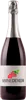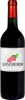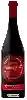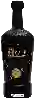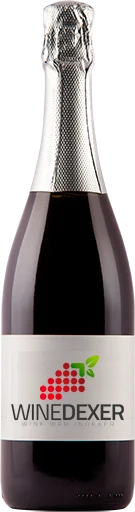
Winery Bautista MartíSangue di Giuda
 Sparkling wine



This wine generally goes well with pork, poultry or mild and soft cheese.

Food and wine pairings with Sangue di Giuda
Pairings that work perfectly with Sangue di Giuda



Original food and wine pairings with Sangue di Giuda

The Sangue di Giuda of Winery Bautista Martí matches generally quite well with dishes of pork, spicy food or poultry such as recipes of simple pork roast, chili con carne or roast turkey in the oven.
Details and technical informations about Winery Bautista Martí's Sangue di Giuda.
Discover the grape variety: Tibouren
Elegant, complex rosés with a pale salmon robe, airy palate and fresh acidity, showing refined aromas of red fruits (strawberry, raspberry), garrigue, Mediterranean herbs, white flowers and characteristic saline, iodine notes. Also vinified as light, fragrant reds. Star of Provence's great rosés from Côtes de Provence AOC (Cru Classé, Saint-Tropez area). Autochthonous Provençal variety from the Var, likely imported from the Middle East by ancient Phocaean sailors.
Last vintages of this wine
The best vintages of Sangue di Giuda from Winery Bautista Martí are 0
Informations about the Winery Bautista Martí
The Winery Bautista Martí is one of of the world's greatest estates. It offers 15 wines for sale in the of Oltrepò Pavese to come and discover on site or to buy online.

The wine region of Oltrepò Pavese
Little-known Lombardy, home of Italian Pinot Nero (3rd largest area worldwide). Refined Metodo Classico DOCG sparklers: fine bubbles with notes of apple, citrus, brioche and almond, taut finish. Also still red versions: fleshy Pinot Nero (cherry, undergrowth), fruity, slightly fizzy Bonarda, lively Croatina and bright Barbera. Mineral Riesling, sweet, musky Moscato in whites.
The wine region of Lombardia
Three poles. Franciacorta DOCG, Italy's answer to Champagne: elegant brioche traditional-method sparklers (Chardonnay, Pinot Noir, Pinot Blanc), fine bubble and mineral profile. Alpine Valtellina: Nebbiolo (alias Chiavennasca) with fine tannins and red fruits, powerful Sforzato passito. Oltrepò Pavese: fresh Pinot Noir and fruity-sparkling Bonarda.
The word of the wine: Rancio
Odour and taste characteristic of certain wines that have undergone oxidative maturation, i.e. in contact with oxygen (vin jaune du Jura, dry rancio du Roussillon, maury, banyuls, rivesaltes, etc.).