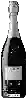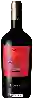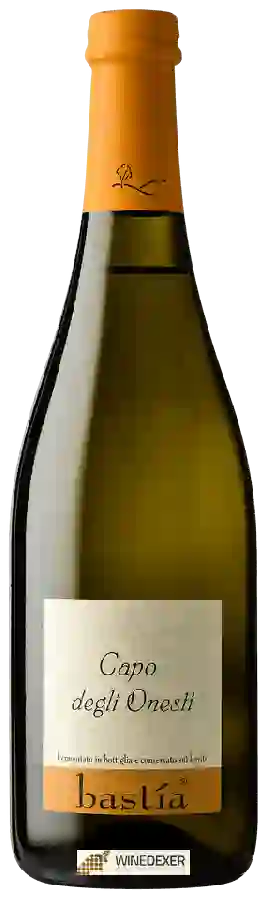
Winery BastíaCapo degli Onesti
 Sparkling wine



This wine generally goes well with appetizers and snacks, rich fish (salmon, tuna etc) or shellfish.
Food and wine pairings with Capo degli Onesti
Pairings that work perfectly with Capo degli Onesti



Original food and wine pairings with Capo degli Onesti


The Capo degli Onesti of Winery Bastía matches generally quite well with dishes of rich fish (salmon, tuna etc), shellfish or mature and hard cheese such as recipes of mackerel with quick mustard, salt and pepper shrimp or peppers with lentil stuffing.
Details and technical informations about Winery Bastía's Capo degli Onesti.
Discover the grape variety: Mauzac rose
Last vintages of this wine
The best vintages of Capo degli Onesti from Winery Bastía are 0
Informations about the Winery Bastía
The Winery Bastía is one of of the world's greatest estates. It offers 9 wines for sale in the of Veneto to come and discover on site or to buy online.

The wine region of Veneto
World star of Prosecco: fresh, light Glera sparklers with notes of pear, green apple and white flowers, fruity, convivial bubbles. Veronese reds from Corvina and Rondinella: light, crisp Bardolino, fruity Valpolicella, opulent, concentrated Amarone DOCG (black cherry, chocolate, raisin) from dried grapes. Mineral, almondy Soave (Garganega) whites, fresh Pinot Grigio. 97,500 ha, Italy's largest production.
The word of the wine: Breaking
Accident (oxidation or reduction) causing a loss of limpidity of the wine.