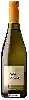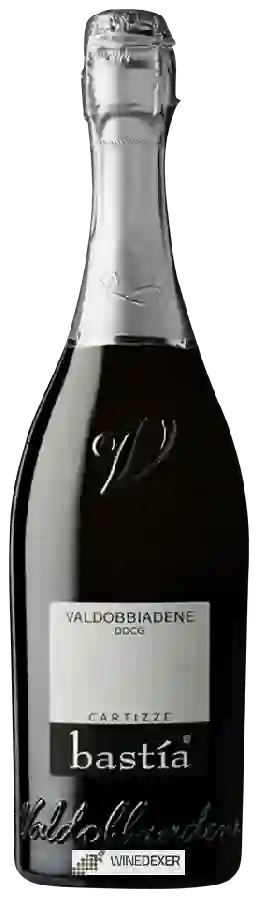
Winery BastíaValdobbiadene Cartizze
 Sparkling wine


This wine generally goes well with

Details and technical informations about Winery Bastía's Valdobbiadene Cartizze.
Discover the grape variety: Glera
Fresh, fruity sparkling wines with fine bubbles and an airy mouth, featuring aromas of green apple, pear, white peach, white flowers, citrus and fresh almond notes. Tonic acidity, light and refreshing finish. The undisputed star of Prosecco DOC, Prosecco di Conegliano Valdobbiadene DOCG and Asolo Prosecco DOCG, one of the world's most exported sparkling wines (Charmat method). Native Venetian grape, formerly called Prosecco.
Last vintages of this wine
The best vintages of Valdobbiadene Cartizze from Winery Bastía are 2017, 0
Informations about the Winery Bastía
The Winery Bastía is one of of the world's greatest estates. It offers 9 wines for sale in the of Conegliano-Valdobbiadene Prosecco to come and discover on site or to buy online.

The wine region of Conegliano-Valdobbiadene Prosecco
Pinnacle of Italian Prosecco (DOCG, 2009, UNESCO): signature Glera as the sparkling white king — fine and elegant with notes of golden apple, white peach, pear, citrus, jasmine, wisteria and an almond touch, fine persistent bubbles, sometimes a saline finish (Rive and Cartizze). Charmat method, Brut/Extra Dry/Dry styles. Steep slopes between Conegliano and Valdobbiadene in Veneto, calcareous morainic soils. For aperitif and celebrations, more mineral than Prosecco DOC.
The wine region of Veneto
World star of Prosecco: fresh, light Glera sparklers with notes of pear, green apple and white flowers, fruity, convivial bubbles. Veronese reds from Corvina and Rondinella: light, crisp Bardolino, fruity Valpolicella, opulent, concentrated Amarone DOCG (black cherry, chocolate, raisin) from dried grapes. Mineral, almondy Soave (Garganega) whites, fresh Pinot Grigio. 97,500 ha, Italy's largest production.
The word of the wine: Leaf removal
Operation that consists in removing the leaves that form a screen between the sun and the grape.