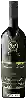
Winery Barone MontaltoAmmasso Rosso Sicilia
 Red wine


In the mouth this red wine is a powerful with a lot of tannins present in the mouth.
This wine generally goes well with beef, lamb or pasta.
Taste structure of the Ammasso Rosso Sicilia from the Winery Barone Montalto
Light | Bold | |
Smooth | Tannic | |
Dry | Sweet | |
Soft | Acidic |
In the mouth the Ammasso Rosso Sicilia of Winery Barone Montalto in the region of Sicily is a powerful with a lot of tannins present in the mouth.
Food and wine pairings with Ammasso Rosso Sicilia
Pairings that work perfectly with Ammasso Rosso Sicilia



Original food and wine pairings with Ammasso Rosso Sicilia
The Ammasso Rosso Sicilia of Winery Barone Montalto matches generally quite well with dishes of beef, pasta or lamb such as recipes of monkfish with vegetable tagliatelle, fried rice noodles with chicken or mouse of lamb with honey and thyme.
Details and technical informations about Winery Barone Montalto's Ammasso Rosso Sicilia.
Discover the grape variety: Grec rouge
Most likely from the south of France, it is now an endangered variety.
Last vintages of this wine
The best vintages of Ammasso Rosso Sicilia from Winery Barone Montalto are 0
Informations about the Winery Barone Montalto
The Winery Barone Montalto is one of of the world's great estates. It offers 90 wines for sale in the of Sicily to come and discover on site or to buy online.

The wine region of Sicily
Sicily is the Southernmost region of Italy, and the largest island in the Mediterranean Sea. For over 2500 years, Sicily (Sicilia in Italian) has been an important centre of Mediterranean viticulture, although the reputation and style of its wines have changed considerably over time. The island was once best known for its Sweet muscatels (see Pantelleria), and later for its fortified Marsala. Today, many of its best-known wines are Dry table wines produced under the regional designation IGT Terre Siciliane, or Sicilia DOC (see below).
The word of the wine: Second fermentation
In the making of champagne, fermentation of the base wine to which is added the liqueur de tirage and which takes place in the bottle. This second fermentation produces the carbon dioxide, and therefore the bubbles that make up the effervescence of the wine.