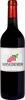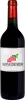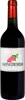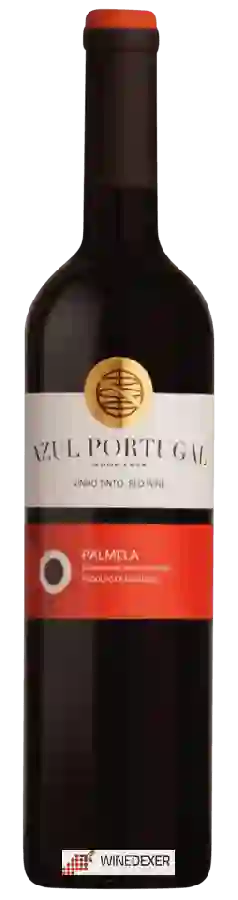
Winery Azul PortugalPalmela Tinto
 Red wine



This wine is a blend of 2 varietals which are the Cabernet-Sauvignon and the Touriga nacional.
In the mouth this red wine is a powerful.
This wine generally goes well with poultry, beef or veal.

Taste structure of the Palmela Tinto from the Winery Azul Portugal
Light | Bold | |
Smooth | Tannic | |
Dry | Sweet | |
Soft | Acidic |
In the mouth the Palmela Tinto of Winery Azul Portugal in the region of Península de Setúbal is a powerful.


Food and wine pairings with Palmela Tinto
Pairings that work perfectly with Palmela Tinto



Original food and wine pairings with Palmela Tinto

The Palmela Tinto of Winery Azul Portugal matches generally quite well with dishes of beef, pasta or veal such as recipes of wild boar with honey, tagliatelle with shrimps or moroccan style veal brochette.
Details and technical informations about Winery Azul Portugal's Palmela Tinto.
Discover the grape variety: Cabernet-Sauvignon
Structured, tannic reds, deeply coloured, with aromas of blackcurrant, blackberry, cedar, tobacco and graphite, underpinned by firm acidity and fine ageing potential. Cornerstone of the great Médoc estates (Pauillac, Saint-Estèphe, Saint-Julien) and signature of Napa Valley, Coonawarra and Maipo. The world's most planted red variety, a natural cross of Cabernet Franc x Sauvignon Blanc born in Bordeaux.
Last vintages of this wine
The best vintages of Palmela Tinto from Winery Azul Portugal are 2017, 2018, 2015, 0 and 2013.
Informations about the Winery Azul Portugal
The Winery Azul Portugal is one of of the world's greatest estates. It offers 23 wines for sale in the of Palmela to come and discover on site or to buy online.

The wine region of Palmela
DOC of the Setúbal peninsula south of Lisbon, sandy and limestone plains between mountains and Atlantic, warm maritime climate. Signature Castelão as red king (min. 67%, thrives better here than elsewhere in Portugal): fresh and fruity profile with notes of red cherry, raspberry, plum, Mediterranean herbs and a peppery touch, firm but round tannins — with age, complex notes of cedar and tobacco. Aragonez, Trincadeira, Cabernet and Syrah as complements.
The wine region of Península de Setúbal
Portuguese peninsula south of Lisbon between the Tagus and Sado estuaries. World-renowned speciality: Moscatel de Setúbal, a golden fortified sweet wine with signature notes of candied orange, dried apricot, honey, fig, currant and sweet spices, long ageing — the rare Roxo version has more floral notes. Also fruity, supple Castelão reds (64%) (blackberry, plum), perfumed Touriga Nacional. Oceanic climate.
The word of the wine: Muscat blanc à petits grains
A white grape variety cultivated since antiquity on the shores of the Mediterranean, it is considered the noblest of the muscats. It is mainly used to make sweet wines, often from mutage. In France, it is the sole variety used in many natural sweet wines: muscat-de-frontignan, muscat-de-mireval, muscat-de-lunel, muscat-de-saint-jean-de-minervois, muscat-de-beaumes-de-venise, muscat-du-cap-corse. Combined with Muscat d'Alexandrie, it gives Muscat-de-Rivesaltes. It is also used to make sparkling white wines (clairette-de-die; moscato d'asti and asti spumante in Italy) and dry wines (alsace-muscat). Powerfully aromatic and complex, its wines evoke fresh grapes, roses, exotic fruits, citrus fruits and spices.