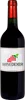
Winery Ayia MavriShiraz
 Red wine


This wine generally goes well with beef, lamb or mature and hard cheese.
The Shiraz of the Winery Ayia Mavri is in the top 30 of wines of Troodos South.

Wine flavors and olphactive analysis

Food and wine pairings with Shiraz
Pairings that work perfectly with Shiraz



Original food and wine pairings with Shiraz

The Shiraz of Winery Ayia Mavri matches generally quite well with dishes of beef, lamb or spicy food such as recipes of fondue bourguignonne and accompanying sauces, lamb and coconut curry, african style or fried chicken.
Details and technical informations about Winery Ayia Mavri's Shiraz.
Discover the grape variety: Malvasia di Candia Aromatica
Versatile muscat-style whites — dry, frizzante or rich passito — with a pale to amber robe and an ample palate, featuring intense aromas of white flowers (elderflower, acacia), yellow fruits (apricot), muscat and honeyed notes in passito versions. Star of the Colli Piacentini DOC and Colli di Parma DOC in Emilia-Romagna. Aromatic Malvasia variety grown in central Italy.
Last vintages of this wine
The best vintages of Shiraz from Winery Ayia Mavri are 2014, 0, 2016
Informations about the Winery Ayia Mavri
The Winery Ayia Mavri is one of of the world's great estates. It offers 16 wines for sale in the of Troodos South to come and discover on site or to buy online.

The wine region of Troodos South
Southwest slopes of the Troodos Mountains in Cyprus, vineyards at exceptional altitude (250–1,500 m, among the highest in Europe), ungrafted vines spared by phylloxera. Xynisteri is the signature native white (~33% of vines): dry and fruity with delicate citrus, white flowers and a mineral hint. Mavro as a light red. Maratheftiko, an endemic variety, as a full-bodied signature red with black fruits, spice and complex tannins.
The word of the wine: Performance
Quantity of grapes harvested per hectare. In AOC, the average yield is limited on the proposal of the appellation syndicate, validated by the Inao. The use of high-performance plant material (especially clones) and better control of vine diseases have increased yields. This is not without consequences on the quality of the wines (dilution) and on the state of the market (too much wine). We must not over-simplify: low yields are not synonymous with quality, and it is often in years with generous harvests that we find the greatest vintages (1982 and 1986 in Bordeaux, 1996 in Champagne, 1990 and 2005 in Burgundy...).