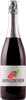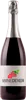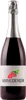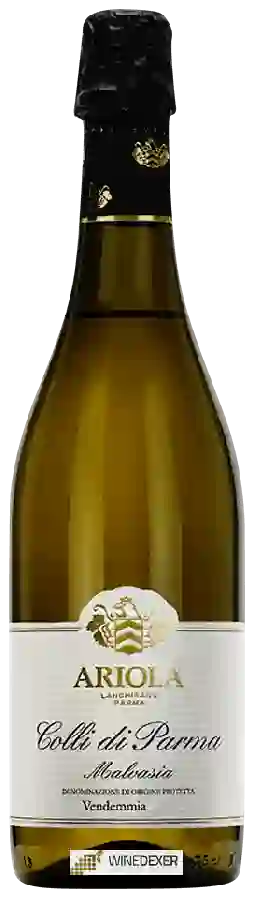
Winery AriolaMalvasia Colli di Parma
 Sparkling wine


This wine generally goes well with
Details and technical informations about Winery Ariola's Malvasia Colli di Parma.
Discover the grape variety: Roussanne
Roussane is a white grape variety, planted on an area of more than 700 ha. Originally from Montélimar, it is also found in Savoie, Languedoc and Roussillon, and grows very well in calcareous, poor, stony soil. It prefers to be pruned short. Roussane is also called fromenteau, barbin or bergeron. The young leaves are bubbled with fine down. When adult, they become thicker. It flowers in June and matures in mid-September. The grapes are cylindrical in shape, the berries are small and turn red when ripe, and the wine produced from pure Roussane is of extraordinary quality. It has a delicate aroma reminiscent of coffee, honeysuckle, iris and peony. The taste of this wine improves with age. It is part of the blend of the appellations Vin-de-Savoie, Côtes-du-Vallée du Rhône or Châteauneuf-du-Pape.
Last vintages of this wine
The best vintages of Malvasia Colli di Parma from Winery Ariola are 0
Informations about the Winery Ariola
The Winery Ariola is one of of the world's great estates. It offers 53 wines for sale in the of Colli di Parma to come and discover on site or to buy online.

The wine region of Colli di Parma
The wine region of Colli di Parma is located in the region of Émilie-Romagne of Italy. Wineries and vineyards like the Domaine Ariola or the Domaine Crocizia produce mainly wines sparkling, white and red. The most planted grape varieties in the region of Colli di Parma are Chardonnay, Ancellotta and Merlot, they are then used in wines in blends or as a single variety. On the nose of Colli di Parma often reveals types of flavors of red fruit, vegetal or microbio and sometimes also flavors of citrus fruit, non oak or earth.
The wine region of Emilia-Romagna
Romagna/emilia">Emilia-Romagna is a Rich and fertile region in Northern Italy, and one of the country's most prolific wine-producing regions, with over 58,000 hectares (143,320 acres) of vines in 2010. It is 240 kilometers (150 miles) wide and stretches across almost the entire northern Italian peninsula, sandwiched between Tuscany to the South, Lombardy and Veneto to the north and the Adriatic Sea to the east. Nine miles of Liguria is all that separates Emilia-Romagna from the Ligurian Sea, and its uniqueness as the only Italian region with both an east and west coast. Emilia-Romagna's wine-growing heritage dates back to the seventh century BC, making it one of the oldest wine-growing regions in Italy.
The word of the wine: Grape
Fruit of the vine in the form of bunches of grapes, also called berries, attached to the stalk. The grapes used to make wine are known as grape varieties, a generic word that designates many types of vine plant with their own characteristics.