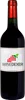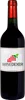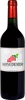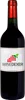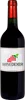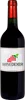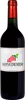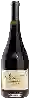
Winery Alma VitisDom Mamede Tinto
 Red wine


In the mouth this red wine is a powerful.
This wine generally goes well with poultry, beef or veal.

Taste structure of the Dom Mamede Tinto from the Winery Alma Vitis
Light | Bold | |
Smooth | Tannic | |
Dry | Sweet | |
Soft | Acidic |
In the mouth the Dom Mamede Tinto of Winery Alma Vitis in the region of Lisboa is a powerful.
Food and wine pairings with Dom Mamede Tinto
Pairings that work perfectly with Dom Mamede Tinto



Original food and wine pairings with Dom Mamede Tinto

The Dom Mamede Tinto of Winery Alma Vitis matches generally quite well with dishes of beef, pasta or veal such as recipes of monkfish tail with white butter, fish lasagne or sauté of doe stroganoff.
Details and technical informations about Winery Alma Vitis's Dom Mamede Tinto.
Discover the grape variety: Mazuelo
Full-bodied, tannic reds with a dark ruby robe, firm tannins and a dense palate with preserved acidity, showing signature aromas of red fruits (cherry, raspberry), spice, pepper, Mediterranean garrigue and balsamic notes. Fine ageing potential, contributing structure and acidity to great Riojan reds. A traditional component of Rioja DOCa blends with Tempranillo. The Spanish synonym for Carignan, a Mediterranean variety originating in Aragon.
Last vintages of this wine

The best vintages of Dom Mamede Tinto from Winery Alma Vitis are 2017, 0, 2016, 2013 and 2008.
Informations about the Winery Alma Vitis
The Winery Alma Vitis is one of of the world's greatest estates. It offers 17 wines for sale in the of Lisboa to come and discover on site or to buy online.

The wine region of Lisboa
Vast coastal IGP north of Lisbon, Portugal's largest producer by volume. Accessible, sun-filled reds: fruity, spicy Castelão, dense Touriga Nacional (black fruit, violet), fleshy Trincadeira, deep Alicante Bouschet. Fresh, mineral whites: straight, lemony Arinto (star of Bucelas), aromatic Fernão Pires, round Vital and Malvasia. Structured reds from Alenquer, sparkling at Óbidos.
The word of the wine: Mouth
The mouth is the third stage of wine tasting after the eye and nose. In the mouth, the taster identifies the aromas through the retronasal route, the flavours and the texture. It is in the mouth that the overall balance of the wine is apprehended.