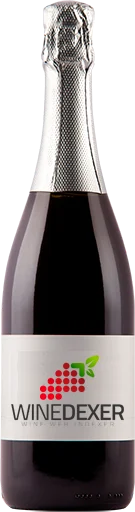
Winery AgueoCava Semi Seco
 Sparkling wine


In the mouth this sparkling wine is a with a nice vivacity and a fine and pleasant bubble.
This wine generally goes well with appetizers and snacks, lean fish or shellfish.

Taste structure of the Cava Semi Seco from the Winery Agueo
Light | Bold | |
Soft | Acidic | |
Gentle | Fizzy |
In the mouth the Cava Semi Seco of Winery Agueo in the region of Cava is a with a nice vivacity and a fine and pleasant bubble.
Food and wine pairings with Cava Semi Seco
Pairings that work perfectly with Cava Semi Seco



Original food and wine pairings with Cava Semi Seco


The Cava Semi Seco of Winery Agueo matches generally quite well with dishes of shellfish, appetizers and snacks or lean fish such as recipes of paella for dummies (simple and delicious), smoked salmon and lemon cake or fried rice with chicken (khao phad kai - thai recipe).
Details and technical informations about Winery Agueo's Cava Semi Seco.
Discover the grape variety: Aranel
Simple, fresh dry whites with a pale golden robe, a supple palate and preserved acidity. Understated aromas of citrus (lemon), white fruits (apple), white flowers and herbaceous notes. Thirst-quenching profile, best drunk young. Grown in Languedoc-Roussillon and the South-West for IGP wines, used in modern southern blends. Productive French white grape obtained in 1962 at Montpellier by Paul Truel, a cross of Saint-Pierre Doré × Grenache Blanc.
Last vintages of this wine
The best vintages of Cava Semi Seco from Winery Agueo are 0
Informations about the Winery Agueo
The Winery Agueo is one of of the world's greatest estates. It offers 3 wines for sale in the of Cava to come and discover on site or to buy online.

The wine region of Cava
Spain's star traditional-method sparkler, the Iberian equivalent of Champagne. Three Catalan grapes blended: Macabeo (apple, freshness), Xarel-lo (body and herbaceous notes), Parellada (elegance and floral finesse). Chardonnay and Pinot Noir also allowed. From fruit-driven Brut to Gran Reserva (30 months on lees) with brioche and toasted notes.
The word of the wine: Oenophile
A person who is interested in the world of wine and more particularly in wine tasting.





