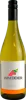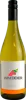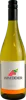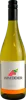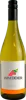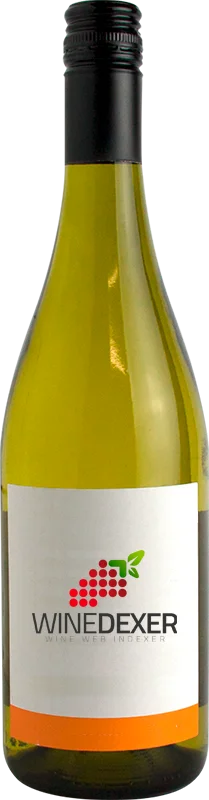
Winery Adega Vinicola d'ArugaMonte
 White wine


This wine generally goes well with
Wine flavors and olphactive analysis


On the nose the Monte of Winery Adega Vinicola d'Aruga in the region of Yamanashi-ken often reveals types of flavors of non oak, oak or spices and sometimes also flavors of red fruit.
Details and technical informations about Winery Adega Vinicola d'Aruga's Monte.
Discover the grape variety: Béclan
Béclan noir is a grape variety that originated in France (Franche-Comté). It produces a variety of grape specially used for wine making. It is rare to find this grape to eat on our tables. This variety of grape is characterized by small bunches, and small grapes. The Beclan noir can be found cultivated in these vineyards: South-West, Cognac, Bordeaux, Provence & Corsica, Rhone Valley.
Last vintages of this wine

The best vintages of Monte from Winery Adega Vinicola d'Aruga are 2016, 2018, 2017, 2014 and 0.
Informations about the Winery Adega Vinicola d'Aruga
The Winery Adega Vinicola d'Aruga is one of of the world's greatest estates. It offers 31 wines for sale in the of Yamanashi-ken to come and discover on site or to buy online.

The wine region of Yamanashi-ken
Yamanashi is the first Japanese Geographical Indication (GI) for wine. Established in 2013, it is situated in the prefecture of the same name. Yamanashi is promoted as the birthplace of Japanese wine production. The most prominent Grape varieties grown here are the indigenous vitis vinefera white grape variety Koshu, and the Japanese-bred pale red Hybrid Muscat Bailey A.
The word of the wine: Water stress
Lack of water. Water stress blocks the vegetative cycle of the vine, which uses all available resources to maintain the integrity of the plant, thus blocking the ripening process of the grapes.