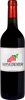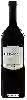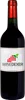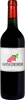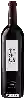
Winery AcenaVilla Del Prado Tinto
 Red wine


In the mouth this red wine is a powerful.
This wine generally goes well with poultry, beef or veal.

Taste structure of the Villa Del Prado Tinto from the Winery Acena
Light | Bold | |
Smooth | Tannic | |
Dry | Sweet | |
Soft | Acidic |
In the mouth the Villa Del Prado Tinto of Winery Acena in the region of Castille-et-Léon is a powerful.
Food and wine pairings with Villa Del Prado Tinto
Pairings that work perfectly with Villa Del Prado Tinto



Original food and wine pairings with Villa Del Prado Tinto

The Villa Del Prado Tinto of Winery Acena matches generally quite well with dishes of beef, pasta or veal such as recipes of borscht (russia), pasta with porcini mushrooms or veal blanquette burger.
Details and technical informations about Winery Acena's Villa Del Prado Tinto.
Discover the grape variety: Red Globe
Table grape with long clusters and spherical red-purple berries, thin skin and crisp flesh, sweet fresh taste. Highly productive with excellent shelf life. One of the most exported table grapes worldwide, grown in California, China, Peru, Chile and Spain, massively distributed globally. Black American table grape variety obtained in 1958 in California by complex crossing for fresh consumption.
Last vintages of this wine
The best vintages of Villa Del Prado Tinto from Winery Acena are 0
Informations about the Winery Acena
The Winery Acena is one of of the world's greatest estates. It offers 4 wines for sale in the of Castille-et-Léon to come and discover on site or to buy online.

The wine region of Castille-et-Léon
Cradle of great Castilian reds on high-altitude plateaus (450-1000 m) of the Duero. Tempranillo king (Tinto Fino, Tinta de Toro): powerful, structured reds with notes of black cherry, blackberry, plum, leather and spices, firm tannins and length worthy of long ageing. Stars: Ribera del Duero (Vega Sicilia, Pingus), fleshy Toro, Bierzo (fresh mineral Mencía). Lively herbaceous Verdejo whites from Rueda, cut grass and citrus.
The word of the wine: Amber
(1) A colour close to amber, sometimes taken on by white wines aged for a long time, or by oxidising prematurely. (2) A term used on the label to designate white Rivesaltes aged for at least thirty months in an oxidizing environment.