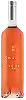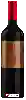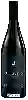
Winery ZweifelMalbec
 Red wine



This wine generally goes well with poultry, beef or mature and hard cheese.
The Malbec of the Winery Zweifel is in the top 60 of wines of Zürich.


Food and wine pairings with Malbec
Pairings that work perfectly with Malbec



Original food and wine pairings with Malbec

The Malbec of Winery Zweifel matches generally quite well with dishes of beef, spicy food or mature and hard cheese such as recipes of oxtail with seed sauce, genuine chicken tagine olive and lemon confit tagine with argan oil or onion soup.
Details and technical informations about Winery Zweifel's Malbec.
Discover the grape variety: Malbec
Malbec, a high-yielding red grape variety, produces tannic and colourful wines. It is produced in different wine-growing regions and changes its name according to the grape variety. Called Auxerrois in Cahors, Malbec in Bordeaux, it is also known as Côt. 6,000 hectares of the Malbec grape are grown in France (in decline since the 1950s). Malbec is also very successful in Argentina. The country has become the world's leading producer of Malbec and offers wines with great potential.
Last vintages of this wine
The best vintages of Malbec from Winery Zweifel are 2017, 2015, 2013, 0 and 2016.
Informations about the Winery Zweifel
The Winery Zweifel is one of of the world's greatest estates. It offers 65 wines for sale in the of Zürich to come and discover on site or to buy online.

The wine region of Zürich
Zurich is a Swiss cantonal wine region covering all winegrowing sub-regions and vineyards within the borders of the Zurich canton. It is one of the more productive cantonal appellations in the German-speaking Northern Part of Switzerland. The main viticultural area here arches to the north, above the city of Winterthur, stretching up to Schaffhausen and even crossing the Rhine briefly around Eglisau, Rafz, Rudlingen, Wil and Huntwagen. This area is generally known as Zurcher Weinland, although as an area it is not precisely demarcated.
The word of the wine: Thinning
Also known as green harvesting, the practice of removing excess bunches of grapes from certain vines, usually in July, but sometimes later. This is often necessary, but not always a good thing, as the remaining bunches often gain weight.