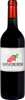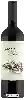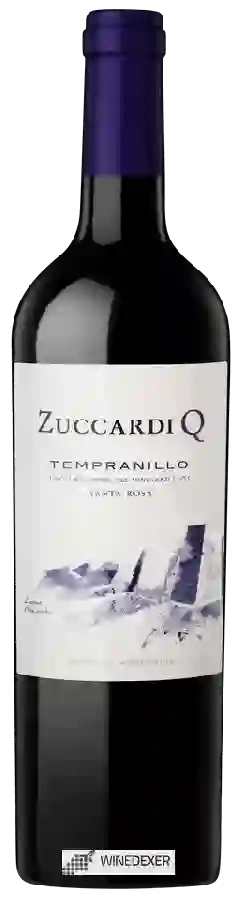
Winery ZuccardiQ Tempranillo
 Red wine


This wine is composed of 100% of the grape variety Tempranillo.
This wine generally goes well with pork, beef or game (deer, venison).
The Q Tempranillo of the Winery Zuccardi is in the top 20 of wines of Mendoza.

Wine flavors and olphactive analysis






On the nose the Q Tempranillo of Winery Zuccardi in the region of Mendoza often reveals types of flavors of non oak, earth or microbio and sometimes also flavors of vegetal, oak or spices.
Food and wine pairings with Q Tempranillo
Pairings that work perfectly with Q Tempranillo



Original food and wine pairings with Q Tempranillo


The Q Tempranillo of Winery Zuccardi matches generally quite well with dishes of beef, lamb or pork such as recipes of beef and spice stuffed peppers, leg of lamb with baked potatoes or flammekueche (with laughing cow).
Details and technical informations about Winery Zuccardi's Q Tempranillo.
Discover the grape variety: Tempranillo
Elegant, structured reds with aromas of strawberry, cherry, plum, leather, blond tobacco and pronounced vanilla from long oak ageing. Ranges from Joven to Crianza, Reserva and Gran Reserva. Star of Rioja DOCa, Ribera del Duero DO and Toro DO, also shines in the Douro as Tinta Roriz/Aragonez. One of the world's most planted Spanish varieties.
Last vintages of this wine

The best vintages of Q Tempranillo from Winery Zuccardi are 1999, 2002, 2001, 2017 and 2013.
Informations about the Winery Zuccardi
The Winery Zuccardi is one of of the world's great estates. It offers 160 wines for sale in the of Mendoza to come and discover on site or to buy online.

The wine region of Mendoza
World capital of Malbec: powerful, deep reds with blackberry, plum, violet and sweet spice, round tannins and vivid fruit. Also firm Cabernet Sauvignon, supple, juicy Bonarda, aromatic floral white Torrontés. High-altitude vineyards (800-1,700 m) at the foot of the Andes, dry continental climate irrigated by glacial waters. ~80% of Argentine output across 150,000 ha.
The word of the wine: Thermoregulation
Control of the vinification temperatures (by circulating hot or cold water on the walls of the vats, for example). This is a major step forward, which in particular helps to preserve the freshness of the aromas threatened by excessive temperature rises during fermentation.