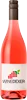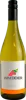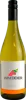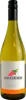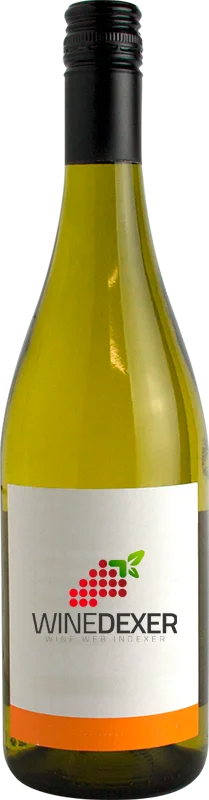
Winery Yanik ÜlkeGewürztraminer
 White wine



This wine generally goes well with poultry, rich fish (salmon, tuna etc) or mild and soft cheese.
Wine flavors and olphactive analysis


On the nose the Gewürztraminer of Winery Yanik Ülke in the region of Aegean often reveals types of flavors of earth, tree fruit or citrus fruit and sometimes also flavors of floral, tropical fruit.
Food and wine pairings with Gewürztraminer
Pairings that work perfectly with Gewürztraminer



Original food and wine pairings with Gewürztraminer


The Gewürztraminer of Winery Yanik Ülke matches generally quite well with dishes of rich fish (salmon, tuna etc), spicy food or sweet desserts such as recipes of round zucchini stuffed with tuna, dab with coconut milk or french toast.
Details and technical informations about Winery Yanik Ülke's Gewürztraminer.
Discover the grape variety: Gewurztraminer
Gewurztraminer rosé is a grape variety that originated in France. It produces a variety of grape specially used for wine making. It is rare to find this grape to eat on our tables. This variety of vine is characterized by small bunches and small grapes. Gewurztraminer rosé can be found in many vineyards: Alsace, Loire Valley, Languedoc & Roussillon, Jura, Champagne, Lorraine, Provence & Corsica, Rhone Valley, Savoie & Bugey, Beaujolais, South West.
Last vintages of this wine
The best vintages of Gewürztraminer from Winery Yanik Ülke are 2018, 0, 2016
Informations about the Winery Yanik Ülke
The Winery Yanik Ülke is one of of the world's great estates. It offers 37 wines for sale in the of Aegean to come and discover on site or to buy online.

The wine region of Aegean
The Aegean wine region Lies in the western Part of Turkey, on the end of the Anatolian peninsula, facing the Aegean Sea and the Greek Islands. It accounts for over half of all wine produced in the country. The Climate is typically Mediterranean with hot summers and mild winters. Coastal vineyards are often at an altitude of around 150 meters, and have the most pronounced maritime influences.
The word of the wine: Bordeaux barrel
Barrels of 220 to 225 litres. The toasting of the barrel to bend the staves (curved boards used to make the barrels) can vary according to the coopers and the demand. A gentle and slow toasting has little effect on the aromas. On the other hand, a strong toasting gives aromas of coffee or cocoa which will influence the taste of the wine. A wine barrel has already been aged for a year and has less impact on the wine than a new barrel.