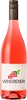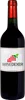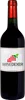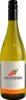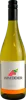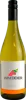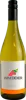
Wollersheim WineryCarignan
 Red wine



This wine generally goes well with beef and spicy food.
The Carignan of the Wollersheim Winery is in the top 40 of wines of Wisconsin.
Wine flavors and olphactive analysis



On the nose the Carignan of Wollersheim Winery in the region of Wisconsin often reveals types of flavors of non oak, earth or oak and sometimes also flavors of spices, red fruit or black fruit.
Food and wine pairings with Carignan
Pairings that work perfectly with Carignan


Original food and wine pairings with Carignan
The Carignan of Wollersheim Winery matches generally quite well with dishes of beef or spicy food such as recipes of veal shank with mushrooms or julienne fillets in coconut milk.
Details and technical informations about Wollersheim Winery's Carignan.
Discover the grape variety: Troyen
An old grape variety from the Aube and Yonne departments, it was also found in the Meuse, Vosges and Moselle. It is the result of a natural intraspecific crossing between pinot noir and gouais blanc. Today, the Troyen is practically no longer multiplied.
Last vintages of this wine
The best vintages of Carignan from Wollersheim Winery are 2013, 2014, 0, 2016 and 2015.
Informations about the Wollersheim Winery
The Wollersheim Winery is one of of the world's great estates. It offers 26 wines for sale in the of Wisconsin to come and discover on site or to buy online.

The wine region of Wisconsin
Wisconsin is a Midwestern state located on the western shore of Lake Michigan. Although wine making dates back to the mid-19th century, Wisconsin's wine industry is small and focuses primarily on cold-hardy Hybrid varieties developed specifically for the colder Climates of the Northern half of North America. Valiant, Edelweiss, La Crosse and Frontenac are among the most widely planted varieties in Wisconsin vineyards. Wisconsin covers 170,000 km², between latitudes 42°N and 47°N.
The word of the wine: Rebêche (champagne)
Must obtained in excess of the 2 550 litres authorised for a weight of 4 000 kilos of grapes. The first 2 050 litres constitute the cuvée and the next 500 litres the taille. The rebêche represents 1 to 3 % of the total volume and must be distilled or used to make ratafia.