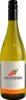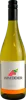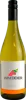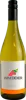
Wollersheim WineryWhite Port
 Natural sweet wine


This wine generally goes well with spicy food and sweet desserts.
The White Port of the Wollersheim Winery is in the top 20 of wines of Wisconsin.

Food and wine pairings with White Port
Pairings that work perfectly with White Port


Original food and wine pairings with White Port
The White Port of Wollersheim Winery matches generally quite well with dishes of spicy food or sweet desserts such as recipes of indian style coral lentils or ultra-fast and yet so light....
Details and technical informations about Wollersheim Winery's White Port.
Discover the grape variety: Lambrusco grasparossa
Intensely coloured sparkling reds with a deep purple hue and violet foam, more structured tannins than other Lambruschi, and a lively palate, with aromas of red fruits (cherry, strawberry), violet and floral notes. Also made dry, off-dry or sweet. Star of the Lambrusco Grasparossa di Castelvetro DOC in Emilia-Romagna, ideal with Modenese charcuterie. Lambrusco variety grown near Modena.
Last vintages of this wine

The best vintages of White Port from Wollersheim Winery are 2012, 2013, 2011, 0 and 2004.
Informations about the Wollersheim Winery
The Wollersheim Winery is one of of the world's greatest estates. It offers 26 wines for sale in the of Wisconsin to come and discover on site or to buy online.

The wine region of Wisconsin
Wine state of the northern American Midwest, harsh continental climate requiring cold-hardy hybrids. Signature Marquette in red: deep robe with signature notes of black cherry, plum, black pepper, cocoa and a herbaceous touch, firm tannins and lively acidity — bred for these extreme climates. Also spicy Maréchal Foch, Léon Millot. Aromatic whites: muscaty La Crescent (apricot, honey), fruity Brianna, vivid La Crosse, Saint Pepin.
The word of the wine: Millerandage
Poor fertilization of some grapes at the time of flowering in cold or rainy weather. Milled grapes do not grow and usually do not contain seeds.