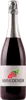
Weingut WöhrwagWeissgekeltert Spätburgunder Trocken
 Red wine
In the mouth this red wine is a with a nice freshness.
This wine generally goes well with poultry, beef or veal.

Taste structure of the Weissgekeltert Spätburgunder Trocken from the Weingut Wöhrwag
Light | Bold | |
Smooth | Tannic | |
Dry | Sweet | |
Soft | Acidic |
In the mouth the Weissgekeltert Spätburgunder Trocken of Weingut Wöhrwag in the region of Württemberg is a with a nice freshness.
Food and wine pairings with Weissgekeltert Spätburgunder Trocken
Pairings that work perfectly with Weissgekeltert Spätburgunder Trocken



Original food and wine pairings with Weissgekeltert Spätburgunder Trocken

The Weissgekeltert Spätburgunder Trocken of Weingut Wöhrwag matches generally quite well with dishes of beef, veal or game (deer, venison) such as recipes of quick beef bourguignon, veal escalope with lemon sauce or wild boar bourguignon.
Details and technical informations about Weingut Wöhrwag's Weissgekeltert Spätburgunder Trocken.
Discover the grape variety: Fontanara
Simple, fresh whites to drink young with a pale golden robe, airy palate with moderate acidity, showing discrete white flower, white-fleshed fruit and neutral aromas. Accessible thirst-quenching profile. Blended with Trebbiano and Verdicchio, it adds freshness without dominating in the whites of Marche and Umbria. Italian white variety grown in central Italy, confidential and heritage.
Informations about the Weingut Wöhrwag
The Weingut Wöhrwag is one of of the world's great estates. It offers 51 wines for sale in the of Württemberg to come and discover on site or to buy online.

The wine region of Württemberg
Rare predominantly red region in Germany (nearly 70%). Supple, fruity everyday reds: light, crisp Trollinger (Schiava) with red fruits, more structured, spicy, deep Lemberger (Blaufränkisch), generous Schwarzriesling (Pinot Meunier). Riesling king of whites (>2,000 ha), lively and mineral, citrus and green apple. Germany's 4th region (11,500 ha) on the Neckar slopes around Heilbronn and Stuttgart.
The word of the wine: Pinot meunier
Cultivated in the 19th century in all the northern vineyards, this black grape variety has largely regressed since. Very present in the Marne valley, it constitutes a third of the vineyards in Champagne, alongside pinot noir and chardonnay with which it is often blended. It brings roundness and red and yellow fruit aromas to champagnes. Pinot meunier is also the dominant grape variety in red and rosé wines in the Orleans AOC and the rare Touraine-Noble-Joué, a grey wine. Syn.: meunier.