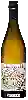
Winery WilhelmshofSpätburgunder Trocken
 Red wine
In the mouth this red wine is a with a nice freshness.
This wine generally goes well with poultry, beef or veal.
The Spätburgunder Trocken of the Winery Wilhelmshof is in the top 20 of wines of Pfalz.

Taste structure of the Spätburgunder Trocken from the Winery Wilhelmshof
Light | Bold | |
Smooth | Tannic | |
Dry | Sweet | |
Soft | Acidic |
In the mouth the Spätburgunder Trocken of Winery Wilhelmshof in the region of Pfalz is a with a nice freshness.
Food and wine pairings with Spätburgunder Trocken
Pairings that work perfectly with Spätburgunder Trocken



Original food and wine pairings with Spätburgunder Trocken

The Spätburgunder Trocken of Winery Wilhelmshof matches generally quite well with dishes of beef, veal or game (deer, venison) such as recipes of simple baked roast beef, osso bucco milanese or duck baeckeoffe with christmas spices and dried fruits.
Details and technical informations about Winery Wilhelmshof's Spätburgunder Trocken.
Discover the grape variety: Neyret
Structured, colourful reds with a deep ruby hue, firm tannins and a dense palate with fresh acidity; signature aromas of red fruits (cherry, morello), dark fruits (blackberry), spices and alpine mineral notes. Characterful high-altitude profile. Preserved for its heritage value, producing artisan high-altitude cuvées in the Aosta Valley. Native Italian black grape of the Aosta Valley, grown in tiny quantities.
Informations about the Winery Wilhelmshof
The Winery Wilhelmshof is one of of the world's great estates. It offers 60 wines for sale in the of Pfalz to come and discover on site or to buy online.

The wine region of Pfalz
Fleshy, dry, fruity Riesling is the region's signature: yellow peach, apricot, ripe citrus, lovely mineral tension. Germany's largest red-wine area (40%), with silky Spätburgunder showing red fruit and spice, darker structured Dornfelder, supple Portugieser. Some rounded Pinot Blanc and Pinot Gris. A 23,640 ha vineyard along the Haardt, among Germany's warmest (>2,000 h of sun).
The word of the wine: Deposit
Solid particles that can naturally coat the bottom of a bottle of wine. It is rather a guarantee that the wine has not been mistreated: in fact, to avoid the natural deposit, rather violent processes of filtration or cold passage (- 7 or - 8 °C) are used in order to precipitate the tartar (the small white crystals that some people confuse with crystallized sugar: just taste to dissuade you from it)