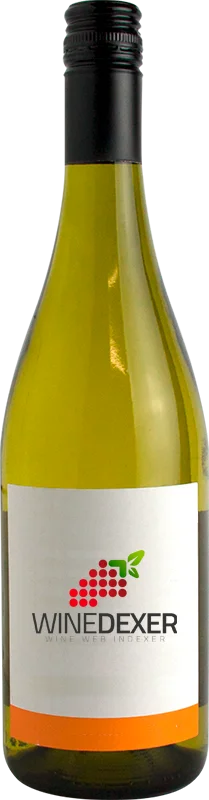
Winery WilhelmshofBurgunder Cuvée
 White wine


This wine generally goes well with
The Burgunder Cuvée of the Winery Wilhelmshof is in the top 5 of wines of Siebeldingen.
Details and technical informations about Winery Wilhelmshof's Burgunder Cuvée.
Discover the grape variety: Bicane
We do not know exactly its origin. It has been used as a genitor to obtain new varieties, Pirovano's Italia in 1911 is a proud example. Today, it is no longer multiplied in nurseries and is therefore in danger of extinction.
Last vintages of this wine
The best vintages of Burgunder Cuvée from Winery Wilhelmshof are 2019, 0, 2018
Informations about the Winery Wilhelmshof
The Winery Wilhelmshof is one of of the world's greatest estates. It offers 60 wines for sale in the of Siebeldingen to come and discover on site or to buy online.

The wine region of Siebeldingen
The wine region of Siebeldingen is located in the region of Pfalz of Germany. Wineries and vineyards like the Domaine Wilhelmshof or the Domaine Wilhelmshof produce mainly wines white, red and sparkling. The most planted grape varieties in the region of Siebeldingen are Riesling, Pinot noir and Pinot blanc, they are then used in wines in blends or as a single variety. On the nose of Siebeldingen often reveals types of flavors of non oak, microbio or tree fruit and sometimes also flavors of earth, oak or spices.
The wine region of Pfalz
Pfalz is a key wine producing region in western Germany, located between the Rhein/Rhine river and the low-lying Haardt mountain range (a natural continuation of the Alsatian Vosges). It covers a rectangle of land 45 miles (75km) Long and 15 miles (25km) wide. To the NorthLiesRheinhessen; to the South, the French border and Alsace. In terms of both quality and quantity, Pfalz is one of Germany's most important regions, and one which shows great promise for the future.
The word of the wine: Muscat blanc à petits grains
A white grape variety cultivated since antiquity on the shores of the Mediterranean, it is considered the noblest of the muscats. It is mainly used to make sweet wines, often from mutage. In France, it is the sole variety used in many natural sweet wines: muscat-de-frontignan, muscat-de-mireval, muscat-de-lunel, muscat-de-saint-jean-de-minervois, muscat-de-beaumes-de-venise, muscat-du-cap-corse. Combined with Muscat d'Alexandrie, it gives Muscat-de-Rivesaltes. It is also used to make sparkling white wines (clairette-de-die; moscato d'asti and asti spumante in Italy) and dry wines (alsace-muscat). Powerfully aromatic and complex, its wines evoke fresh grapes, roses, exotic fruits, citrus fruits and spices.