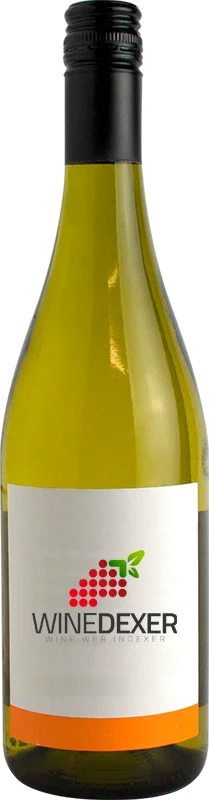
Winery West Wind FarmRiesling
 White wine



This wine is composed of 100% of the grape variety Riesling.
This wine generally goes well with pork, vegetarian or poultry.
The Riesling of the Winery West Wind Farm is in the top 5 of wines of Virginia.

Food and wine pairings with Riesling
Pairings that work perfectly with Riesling



Original food and wine pairings with Riesling



The Riesling of Winery West Wind Farm matches generally quite well with dishes of pork, rich fish (salmon, tuna etc) or spicy food such as recipes of beef tagine with vegetables, barbecued mackerel papillotes or original francesinha (portugal).
Details and technical informations about Winery West Wind Farm's Riesling.
Discover the grape variety: Riesling
Crystalline, taut whites with vibrant acidity and aromas of citrus, green apple, white flowers, vineyard peach and mineral/petrol notes with age. Made as dry (Trocken, Alsace), off-dry (Kabinett, Spätlese) and sweet (Auslese, Beerenauslese, Trockenbeerenauslese, late harvest). Star of the Moselle, Rheingau, Alsace AOC and Wachau. Also exported to Clare Valley and Finger Lakes.
Last vintages of this wine
The best vintages of Riesling from Winery West Wind Farm are 0
Informations about the Winery West Wind Farm
The Winery West Wind Farm is one of of the world's greatest estates. It offers 10 wines for sale in the of Virginia to come and discover on site or to buy online.

The wine region of Virginia
Quality pole of the American east coast, unique signature in Viognier: ample, fragrant whites with notes of apricot, white peach, honey and flowers, silky on the palate. Cabernet Franc star in red, fine and fresh (raspberry, ripe pepper, spices). Also dense Petit Verdot, round Merlot, balanced Chardonnay, Vidal Blanc and native Norton. Humid continental climate tempered by the Appalachians, 8 AVAs (Monticello, Shenandoah).
The word of the wine: Bâtonnage
A very old technique that has come back into fashion in modern oenology, which consists of shaking the white wine in the barrels at the end of fermentation, or after fermentation, with a stick or a flail, in order to suspend the fine lees composed of yeasts at the end of their activity. This process is sometimes used for red wines.